Prime vs. Zoom Lenses: Which Should You Buy First?
A clear breakdown of prime and zoom lenses, the real trade-offs between them, and which one to buy first for the photos you take.
Once you’ve bought a camera, the next decision shapes your photography more than any other: which lens to add. The choice almost always comes down to a single question — prime or zoom? It sounds like jargon, but the difference is simple, and getting it right will save you money and make you a better photographer faster. Here’s what each one is, where each shines, and how to decide based on what you actually shoot.
The basic difference
- A prime lens has a fixed focal length. It doesn’t zoom. A 35mm prime is always 35mm; if you want a tighter shot, you move your feet.
- A zoom lens covers a range of focal lengths — say 24–70mm — so you can frame wide or tight without moving, just by turning the zoom ring.
That’s the whole distinction. Everything else — sharpness, low-light ability, size, price — flows from this one design difference.
A quick word on focal length
Focal length, measured in millimeters, controls how much of the scene you capture and how “zoomed in” you appear to be:
- Wide (roughly 14–35mm): landscapes, interiors, tight spaces, environmental shots.
- Standard (around 35–50mm): the “normal” view, close to how we see; great for street, everyday, and general use.
- Short telephoto (around 85–135mm): flattering portraits with nicely separated backgrounds.
- Telephoto (200mm and up): wildlife, sports, distant subjects.
Note that the same number behaves differently on different sensor sizes — a 35mm lens looks more “zoomed in” on a smaller APS-C sensor than on a full-frame one because of the crop. When in doubt, check the equivalent focal length the manufacturer lists.
The trade-offs, head to head
Image quality
Primes are simpler optically, with fewer moving elements to compromise. As a rule, a prime tends to be sharper and cleaner than a similarly priced zoom. Zooms have closed much of that gap, and excellent ones exist — but you usually pay a premium for a zoom that matches a cheap prime’s sharpness.
Maximum aperture (light and background blur)
This is the headline difference. Aperture is the size of the opening that lets light in, written as an f-number — and a smaller f-number means a wider opening.
- Primes routinely offer very wide apertures (think f/1.8 or f/1.4). That means more light for dim conditions and a dramatically blurred background for portraits.
- Most affordable zooms have a smaller, variable maximum aperture (e.g. f/3.5–5.6) that shrinks as you zoom in. Constant-aperture pro zooms (like f/2.8 throughout) exist but are large and expensive.
If you love low light or creamy background blur, a prime gets you there for far less money.
Versatility
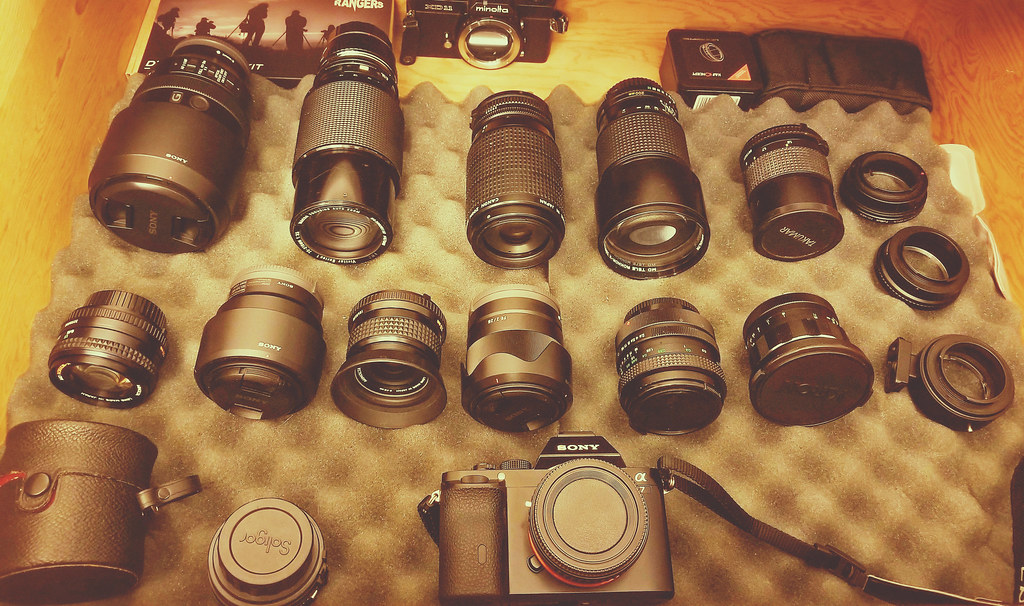
This is the zoom’s home turf. One zoom can replace a bag of primes. For travel, events, kids, or anything fast-moving and unpredictable, the ability to reframe instantly — without swapping lenses and missing the moment — is genuinely valuable.
Size and weight
Primes are usually smaller and lighter, which matters more than people expect. A compact prime is the difference between bringing the camera and leaving it home. Wide-aperture and pro zooms, by contrast, are often big and heavy.
Cost
At the budget end, primes are the bargain: a basic “nifty fifty”-style 50mm is often the cheapest lens a brand makes, yet one of the best. Zooms span the whole price range — cheap kit zooms up to professional models that cost more than the camera body.
How a prime can sharpen your eye
There’s a reason experienced photographers recommend a prime to beginners, and it isn’t just price. A fixed focal length removes a decision. You can’t zoom, so you compose by moving — stepping closer, backing up, changing angle. That forces you to see before you shoot, to think about framing and distance instead of fiddling with a ring.
Many photographers credit a single 35mm or 50mm prime with teaching them composition. Constraint builds skill. After a few months with one prime, you’ll know that focal length instinctively — you’ll see a scene and know exactly how it’ll be framed before you raise the camera.
Recommendations by what you shoot
- Portraits: a short-telephoto prime (around 85mm on full-frame, ~50mm on APS-C) with a wide aperture. Beautiful background blur, flattering perspective. A prime is the clear pick.
- Travel: a versatile zoom (such as 24–105mm or a superzoom) earns its keep — one lens, every situation, no swapping in the rain. Add a small prime only if you want low-light reach.
- Street and everyday: a single 35mm or 50mm prime. Small, discreet, fast, and a superb teacher.
- Landscapes: a wide zoom is convenient for fine-tuning framing, but a wide prime can be sharper at the edges. Either works; most people pick the zoom for flexibility.
- Sports and wildlife: a telephoto zoom for the reach and the ability to track moving subjects without constantly repositioning.
- Events, weddings, kids: a fast zoom (constant f/2.8) if budget allows, for one-lens reliability when you can’t control the moment.
A note for phone photographers
If you shoot mostly on a smartphone, this debate is quietly built into your phone. A multi-camera phone is essentially a set of fixed primes — an ultra-wide, a main, and a telephoto — and the “zoom” between them is partly digital cropping. Understanding that helps you shoot better: use the dedicated telephoto lens for portraits rather than pinch-zooming the main camera, which just crops and softens the image. The same instinct that makes a prime a good teacher applies — learn what each of your phone’s real lenses does, and move your feet to fill the gaps.
What to buy first
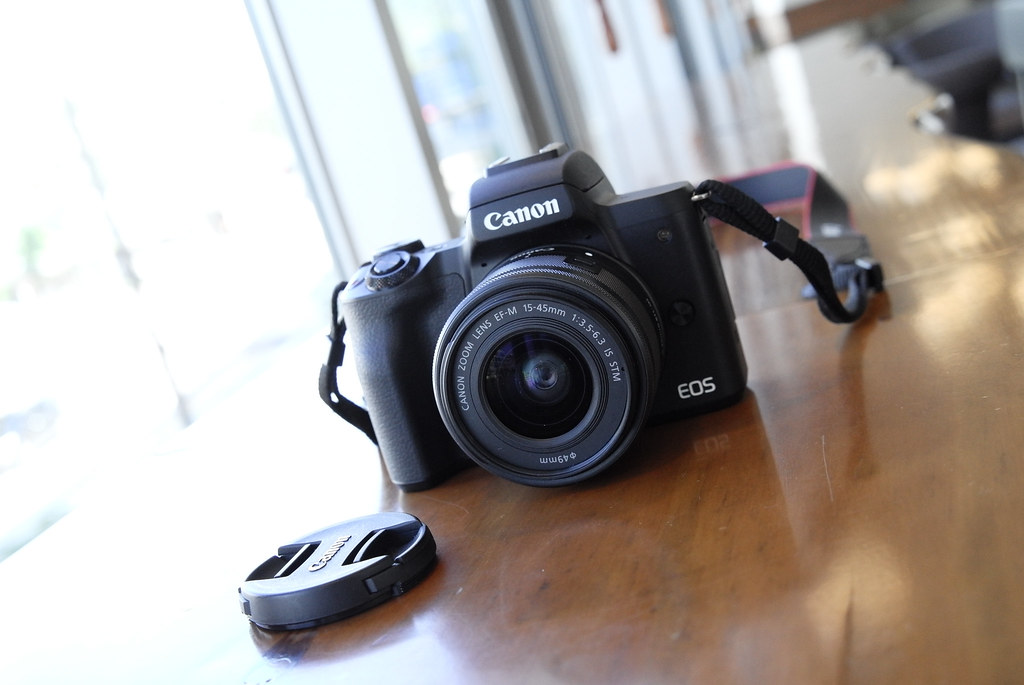
For most people, the best first purchase after a kit zoom is a single affordable prime — a 35mm or 50mm equivalent with a wide aperture. It’s cheap, it’s sharp, it’s brilliant in low light, and it will teach you to see. You already own a zoom (the kit lens), so a prime fills the gap your kit lens can’t: low light and background blur.
Buy a more expensive zoom first only if your photography is genuinely defined by unpredictable, fast-changing scenes — travel, events, sports — where you literally cannot stop to change lenses.
The bottom line
Zooms buy you convenience; primes buy you image quality, low-light ability, and a smaller bag — usually for less money. If you’re learning and already have a kit zoom, get one affordable prime and shoot it for a few months before adding anything else. It’s the single highest-value lens purchase most photographers ever make, and it’ll do more for your photos than spending the same money on the body.