The Photography Accessories Actually Worth Your Money
A no-nonsense guide to the accessories that genuinely improve your photography, and the overhyped ones you can safely skip.
Camera accessories are where budgets quietly bleed out. Walk into any shop or scroll any marketplace and you’ll find a thousand add-ons promising to transform your photography — most of which will sit in a drawer within a month. The good news is that the accessories that actually matter are few, mostly inexpensive, and easy to get right. This guide separates the genuinely useful from the overhyped, so you spend on the things that earn their place in your bag.
The accessories worth buying
Spare batteries
The single most useful accessory you can own. Nothing ends a shoot faster than a dead battery, and a camera with no power is just a paperweight. Buy at least one spare, ideally two for travel or events.
- Genuine batteries from the camera maker are the safest bet. Reputable third-party brands can be fine and much cheaper, but avoid the no-name bargain cells — they hold less charge, fade quickly, and occasionally misbehave.
- Cold weather drains batteries fast; keep a spare in an inside pocket where your body heat keeps it warm.
Fast, reliable memory cards
Your card is where every photo lives before you back it up, so reliability beats raw speed and bargain prices. Buy from established brands, buy from sellers you trust (counterfeits are common), and buy two or three smaller cards rather than one huge one — if a card fails, you lose only part of your shoot.
Match the card’s speed rating to what you do: fast write speeds matter most for burst shooting and high-resolution video. (We cover the confusing speed-class labels in our dedicated memory card guide.)
A bag you’ll actually carry
A good bag protects your gear and makes you more likely to bring it along. You don’t need an expensive one, but you do want:
- Padded, adjustable dividers so gear doesn’t knock together.
- Comfort for how you carry — sling, backpack, or shoulder bag.
- Quick access to your camera, or you’ll miss shots fumbling with zippers.
- Weather resistance if you shoot outdoors.
Buy for the kit you have plus a little room to grow — not for the collection you imagine owning someday.
A tripod (a decent one)
A tripod unlocks photography you simply can’t do handheld: long exposures, low-light scenes, sharp landscapes, night skies, self-portraits, and video. This is one place where cheap is a false economy — a flimsy tripod wobbles in any breeze and defeats its entire purpose.
- Match the tripod’s load rating comfortably to your heaviest camera-and-lens combo.
- Carbon fiber is lighter (good for hiking, pricier); aluminum is heavier and cheaper.
- A solid head — ball heads are versatile and beginner-friendly — matters as much as the legs.
- A compact travel tripod that you’ll bring beats a sturdy monster that stays home.
Polarizing and ND filters
Two filters do things you cannot replicate in editing:
- A circular polarizer (CPL) cuts glare and reflections off water, glass, and foliage, and deepens blue skies. Rotate it to dial in the effect. Genuinely transformative for landscapes.
- A neutral density (ND) filter is like sunglasses for your lens — it blocks light so you can use long shutter speeds in daylight (silky waterfalls, blurred clouds) or shoot wide open in bright sun.
Buy quality glass that fits your lens’s filter thread; a cheap filter degrades every photo you take through it. A protective UV filter, by contrast, is optional and debated — fine as a lens cap substitute in harsh environments, unnecessary for most.
A cleaning kit
Dust and smudges are inevitable. A simple kit prevents both bad photos and expensive damage from improper cleaning:
- A rocket air blower to puff away dust without touching anything.
- A microfiber cloth and a lens pen for smudges.
- Avoid your shirt, tissues, and household glass cleaner — they scratch coatings.
Leave sensor cleaning to the blower or a professional unless you know exactly what you’re doing.
A remote or intervalometer
A small remote release lets you trigger the shutter without touching (and shaking) the camera — essential for long exposures and handy for self-portraits. An intervalometer adds automatic timed shots for time-lapse. Many cameras now offer this through a phone app over Wi-Fi or Bluetooth, so check whether you already have it for free before buying hardware.
A comfortable strap
The strap in the box usually works but is rarely comfortable. A better strap — a padded neck strap, a sling that rides at your hip, or a hand strap for one-handed shooting — makes a long day far easier and encourages you to keep the camera ready rather than packed away. Inexpensive, and you’ll feel it immediately.
What’s overhyped (and safe to skip)
- UV filters “for protection” on every lens. They invite reflections and flare, and a good lens hood already protects the front element while blocking stray light. Skip unless you’re shooting in sand, salt spray, or grit.
- Expensive “premium” cables and exotic cleaning fluids. A standard cable and a blower handle the vast majority of needs.
- Gimmicky lens attachments and starburst/soft-focus filters. Fun once; rarely used twice. Most effects are better and more flexibly done in editing.
- A second camera body, early on. Tempting, but your money does more good as one excellent lens.
- Camera “armor,” decorative wraps, and most grip add-ons. Cosmetic, not functional, for most users.
- Huge memory cards. A single enormous card seems efficient but concentrates all your risk in one place. Spread it across a few.
A quick note for phone photographers
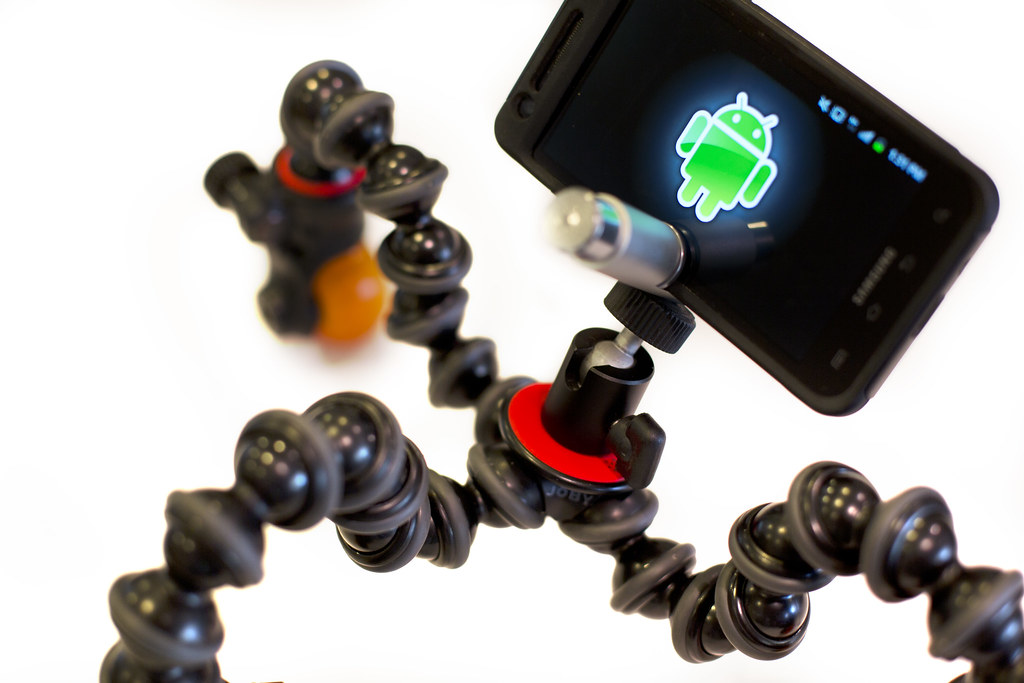
Several of these apply to phones too. A small tripod with a phone clamp, a Bluetooth shutter remote, and clip-on ND/polarizer filters are the phone equivalents of the gear above and offer the same real benefits — steadier low-light shots, cleaner reflections, and shake-free long exposures. We have a dedicated guide to smartphone gear worth buying.
The bottom line
Spend first on the unglamorous essentials: a spare battery, a couple of reliable memory cards, and a bag you’ll actually carry. Add a decent tripod and a quality polarizer when your photography calls for them — those two punch well above their price. Skip the protective-filter-on-everything habit and the gimmick add-ons. The goal isn’t a full bag; it’s a useful one. Buy the few things that remove real friction, and put the money you save toward better glass or more time shooting.