Camera Buying Guide 2026: How to Choose Your First 'Real' Camera
A plain-language guide to picking your first dedicated camera, from sensor sizes and lenses to budget and the smart case for buying used.
If you’ve outgrown your phone’s camera and are ready to buy something more capable, the first thing to know is this: you have not missed the boat, and you do not need to spend a fortune. The camera market in 2026 is mature, competitive, and full of genuinely good options. The hard part isn’t finding a good camera — it’s not getting lost in spec sheets that were written to sell you the most expensive thing. This guide walks you through the decisions that actually matter, in the order they matter, so you can buy once and buy well.
First, be honest about whether you need a dedicated camera
Modern flagship phones are remarkable. Computational photography — the software that merges several frames into one — gives them dynamic range and low-light performance that would have been impossible in a pocket device a decade ago. For most everyday shooting, sharing online, and travel snapshots, a recent phone is more than enough.
You’ll benefit from a dedicated camera when you want:
- Real optical reach — actual zoom from a long lens, not a cropped digital zoom.
- Control over depth of field — genuinely blurred backgrounds from a large sensor and a fast lens, not a software approximation.
- Better results in hard light — fast action, dim rooms, high-contrast scenes.
- A tactile, deliberate experience — dials and a viewfinder that slow you down and help you learn.
If none of those pull at you, save your money. If several do, read on.
The main types of camera, in plain terms
Advanced phone (plus accessories)
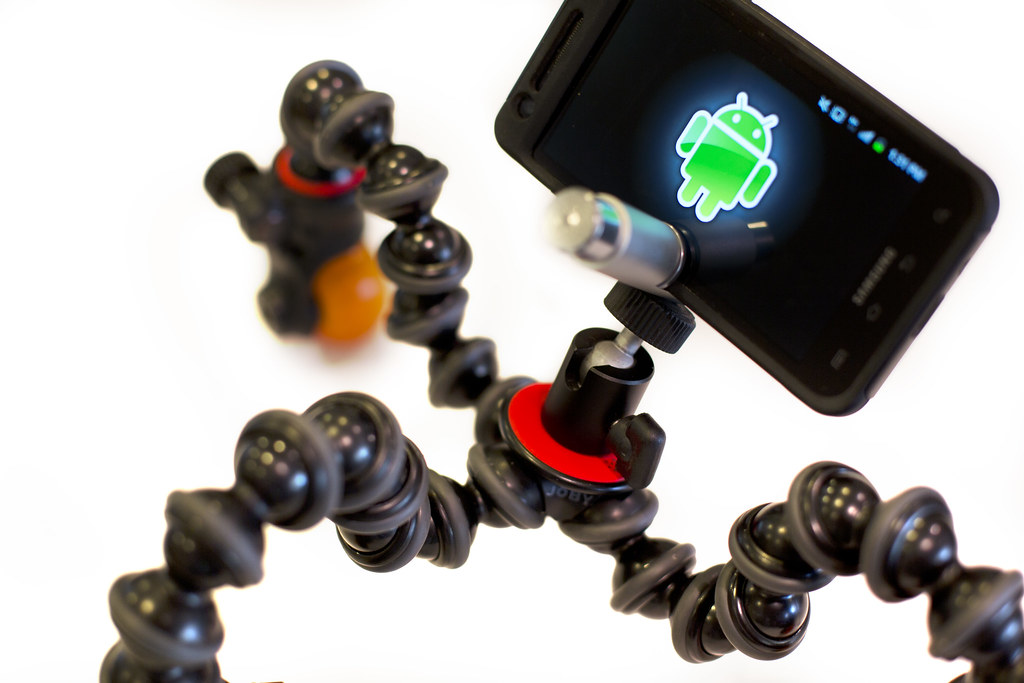
Before spending hundreds on a camera, consider whether a clip-on lens, a small tripod, and learning your phone’s manual or “Pro” mode would get you most of the way there. It often does, and it’s the cheapest experiment you can run.
Compact / premium point-and-shoot
A pocketable camera with a fixed (non-removable) lens. The cheap end has been eaten alive by phones, so the only compacts worth buying now are the premium ones with a large sensor. These give you better image quality than a phone in a grab-and-go body, but you can’t change lenses.
Mirrorless
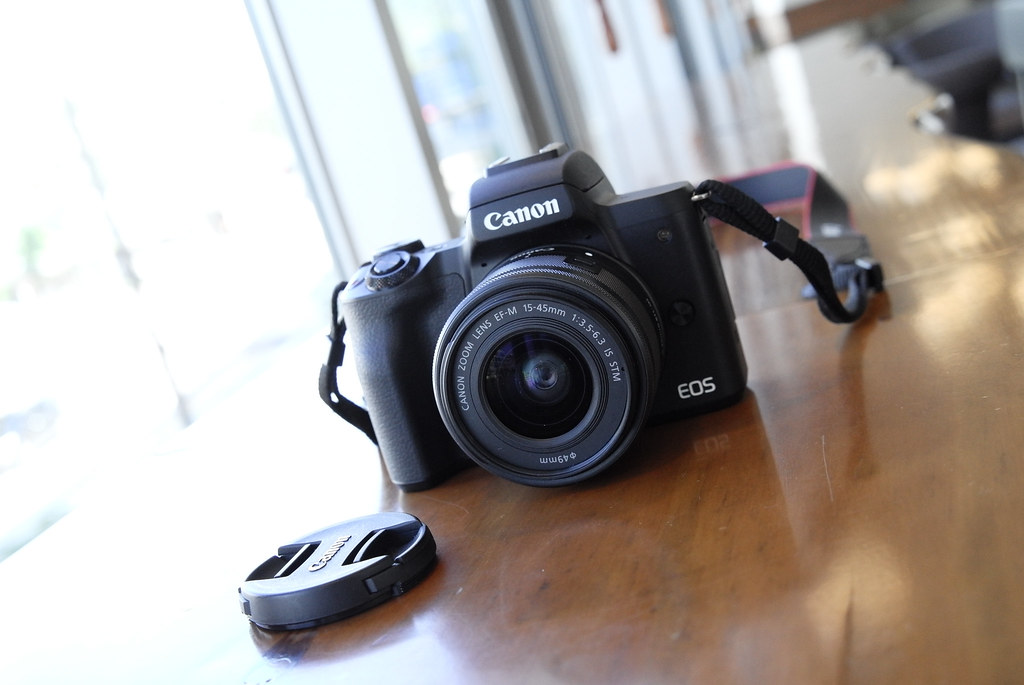
The mainstream choice in 2026 and what most beginners should buy. You can swap lenses, the bodies are relatively small, the electronic viewfinder shows your exposure before you shoot, and autofocus is excellent. This is where manufacturers put their newest technology.
DSLR
The older design with a mirror and optical viewfinder. Most brands have stopped developing new DSLRs, but the used market is enormous, lenses are cheap, and the image quality is still excellent. A bargain path — just know you’re buying into a system on the wane.
Sensor size, explained simply
The sensor is the digital chip that captures light. It matters far more than the megapixel count. A bigger sensor gathers more light, which generally means cleaner images in low light and a more natural background blur.
From smaller to larger, the common sizes are:
- 1-inch — found in premium compacts and many phones’ main cameras. A big step up from a typical phone, still pocketable.
- Micro Four Thirds — larger again; powers a compact, affordable lens ecosystem.
- APS-C — the sweet spot for most beginners. Great quality, sensible prices, huge lens selection. Start here unless you have a specific reason not to.
- Full-frame — the largest common size, the choice of many pros. Better in low light, but the bodies and lenses are bigger, heavier, and far more expensive.
A bigger sensor is not automatically “better for you.” A full-frame kit you find too heavy to carry will take worse photos than the APS-C camera that’s actually in your bag.
Why the lens matters more than the megapixels
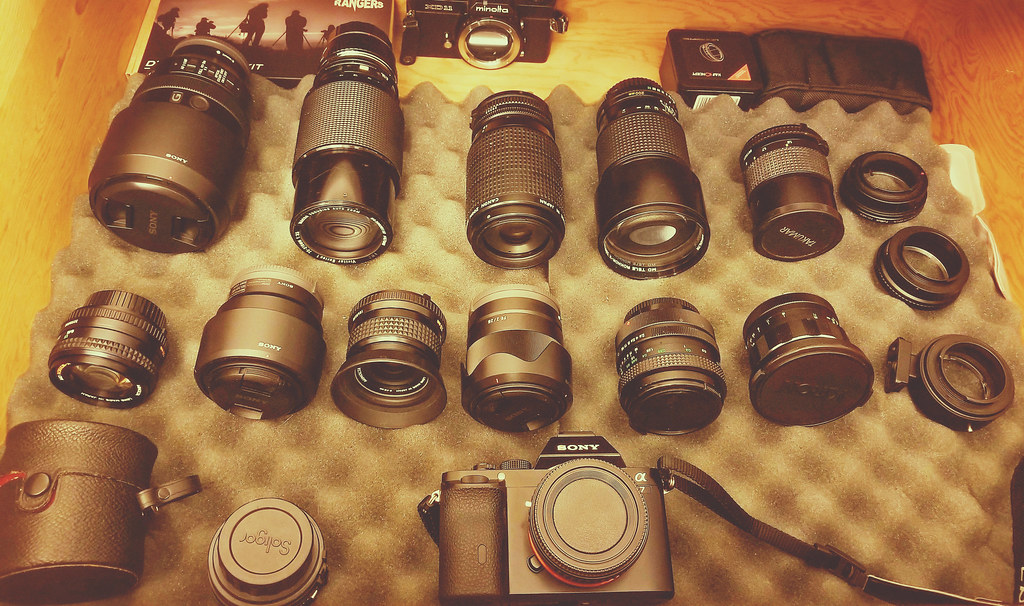
Here’s the truth the marketing buries: the lens determines your image quality more than the body does. A great lens on a modest camera will outperform a mediocre lens on an expensive one. Lenses also last — you’ll likely keep good glass through several camera bodies.
When you choose a camera, you’re really choosing a system: the lens lineup you’ll be able to buy into for years. Before committing to a brand, glance at what lenses exist for it and what they cost.
A quick note on megapixels: for prints, screens, and the web, anywhere from 20 to 30 megapixels is plenty. More megapixels mean bigger files and demand sharper technique to see any benefit — they are rarely the reason one camera beats another.
Kit lenses: fine to start, not the finish line
Most cameras sell as a bundle with a “kit” zoom lens (often something like 18–55mm on APS-C). Kit lenses are a smart, cheap way to start: versatile, light, and good enough to learn on. Their weakness is a small maximum aperture, so they struggle in dim light and won’t blur backgrounds dramatically.
A popular and affordable next step is a “nifty fifty”-style prime — an inexpensive fixed lens with a wide aperture. It transforms low-light shots and portraits, and it’s often the best value purchase a beginner can make after the camera itself.
Ergonomics: the spec sheet can’t tell you this
A camera you enjoy holding is a camera you’ll use. If you possibly can, hold a few in person:
- Does it sit comfortably in your hands? Heavier isn’t worse if the balance is right.
- Can you reach the main dials without hunting?
- Is the menu system understandable, or maddening?
- Does it have a viewfinder, or only a rear screen? Many people strongly prefer a viewfinder in bright sun.
These “feel” factors decide whether the camera becomes a hobby or a drawer ornament.
Setting a realistic budget
Budget for the whole kit, not just the body. A complete setup includes the camera, at least one lens, a spare battery, and a memory card. A useful rule: leave room in your budget for one good lens beyond the kit, because that’s where your photos will improve most.
Spend more on glass and a comfortable body; spend less chasing the newest sensor. Last year’s model at a discount is almost always a better buy than this year’s at full price.
The strong case for buying used
Camera gear ages gracefully. A well-cared-for body or lens from a few years ago can be a fantastic value, often a large saving over new.
- Bodies: check the shutter count (the number of photos taken — like mileage on a car) where possible, and look for sensor dust or scratches.
- Lenses: inspect the glass for fungus, haze, and scratches; check that the focus and zoom rings turn smoothly.
- Where to buy: reputable used dealers and camera shops that grade and warranty their stock are far safer than anonymous listings. The small premium over a private sale buys you real protection.
Buying one generation behind, gently used, is how experienced photographers stretch a budget — and it’s a perfectly smart move for a first camera too.
What to buy: a quick decision guide
- You mostly want better photos than your phone, in a pocket: a premium compact with a 1-inch (or larger) sensor.
- You want to learn, grow, and swap lenses, on a sensible budget: a current or recent APS-C mirrorless camera with a kit lens, then add an affordable prime.
- You’re on a tight budget and don’t mind older tech: a used DSLR with a kit lens and a cheap prime — superb value.
- You already know you want the best low-light and depth-of-field, and you’ll carry the weight: full-frame mirrorless. Most beginners don’t need to start here.
The bottom line
Don’t buy the camera with the biggest numbers. Buy into the system whose lenses, size, and feel match the photos you actually want to take — most often a recent APS-C mirrorless body with a kit lens and one affordable prime to follow. Consider buying a generation behind and gently used. Then spend your remaining budget on glass, and the rest of your time on practice. The camera that’s comfortable, affordable, and always with you will teach you more than any spec sheet ever could.