We Tested Travel Tripods So You Don't Have To — Here's What Matters
Weight, packed size, stability, head type, and leg locks — the criteria that actually matter in a travel tripod, plus picks by use-case.
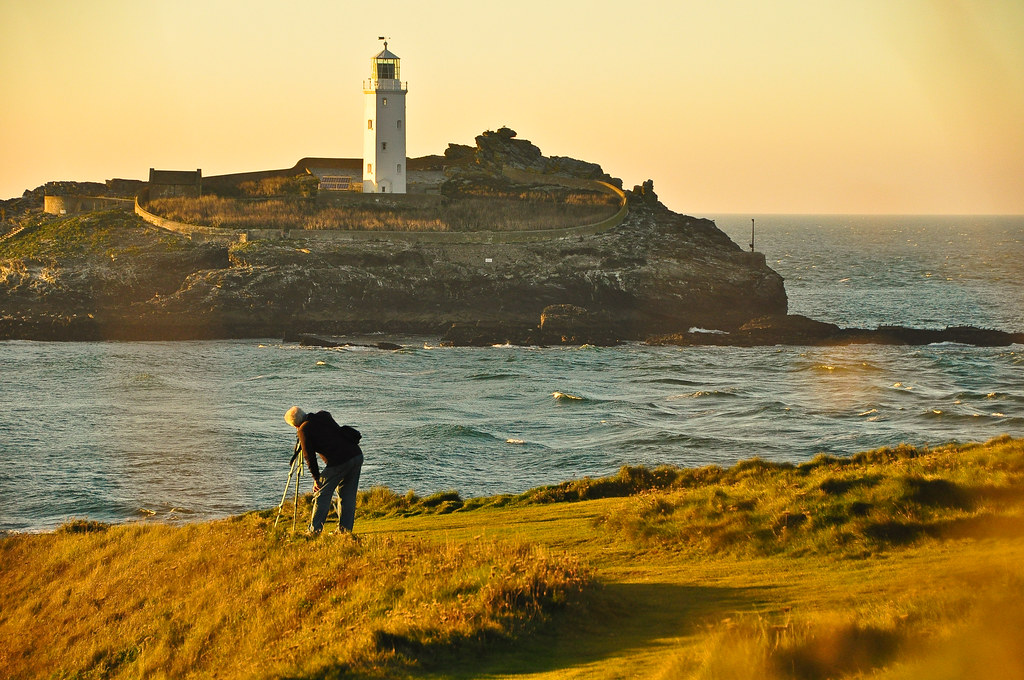
A travel tripod is an exercise in compromise. You want it light enough to forget it’s in your bag, small enough to fit, tall enough to use, and stable enough to actually trust with your camera. No single tripod nails all four — every one trades something away. After hauling a stack of them up trails, onto trains, and through airports, we’ve learned that the secret to buying a good one isn’t finding the “best” tripod. It’s knowing which compromise you’re willing to make.
Here’s what actually matters, why, and how to choose by the kind of traveler you are.
The criteria that actually matter
Weight
This is the one most people obsess over, and for good reason: a tripod you don’t bring helps no one. But chase the lightest possible tripod and you’ll pay for it in stability. The honest rule is to buy the lightest tripod that can steadily hold the camera you actually own. A heavy pro body with a big lens needs more support than a mirrorless body with a small prime, and undersizing the tripod to save grams is a false economy.
Packed size
Weight gets the attention, but packed length is often what decides whether a tripod earns a spot in your bag. A tripod that folds short enough to slip inside a carry-on or strap to a daypack is one you’ll bring; one that sticks out awkwardly stays home. Many travel tripods achieve a short fold by letting the legs fold back up around the head — a clever trick that costs you a few seconds of setup each time. Worth it for most people.
Stability
The whole point of a tripod is to hold still, so stability can’t be an afterthought. The enemies are wind, flimsy lower leg sections, and a center column raised too high. Look for legs that don’t visibly flex, and remember that a center column extended to its limit turns even a good tripod into a wobbly monopod. A useful trick: many travel tripods include a hook under the center column so you can hang your bag for extra ballast in wind.
Head type
The head is where you’ll feel the quality every single shot.
- Ball heads are the default for travel: compact, fast, and flexible. A single knob loosens everything, you frame, you lock. Look for a separate panning lock and ideally a tension control so the camera doesn’t flop when you loosen it.
- Pan-tilt heads offer more precise, independent control of each axis but are bulkier and slower — better for deliberate landscape or architecture work than run-and-gun travel.
- Quick-release plates matter more than people expect. A solid, standardized plate system makes mounting fast and secure; a fiddly one will frustrate you daily.
Leg locks
You’ll open and close these constantly, so the mechanism matters.
- Twist locks are sleeker, snag less in a bag, and tend to keep grit out better — but you twist all sections of a leg at once, which some find slower.
- Flip locks are fast and let you see at a glance whether a leg is secured — but they can loosen over time and catch on things.
Neither is objectively better; it’s a feel preference. Try both if you can.
Material
- Aluminum is affordable, tough, and a little heavier. Great value if budget matters more than grams.
- Carbon fiber is lighter, dampens vibration better, and is more comfortable to carry in cold weather — but it costs significantly more. For frequent travelers carrying a tripod long distances, the weight savings can be worth the premium. For occasional use, aluminum is perfectly sensible.
Maximum height
A tripod that forces you to hunch all day is a tripod you’ll resent. Check the maximum height with the center column down, since shooting with the column fully raised sacrifices stability. Taller travelers in particular should look closely here — many compact tripods top out lower than you’d like.
Picks by use-case tier
Rather than name specific models (and the prices that go stale the moment you read them), here’s how to shop by the traveler you are.
Ultralight — for the minimalist and the hiker
If every gram counts and you shoot a light mirrorless or a phone, prioritize a carbon-fiber tripod with the smallest possible packed size, accepting a lower maximum height and a modest weight rating. You’re buying portability above all. Pair it with a compact ball head. Just be realistic: these are not the tools for long lenses or windy cliff edges.
All-rounder — for most travelers
This is where most people should land. Look for a mid-weight carbon or quality aluminum tripod with a good ball head, a center-column hook for stability, a reasonable maximum height, and a fold short enough for carry-on. It won’t be the lightest or the sturdiest, but it’ll handle the vast majority of travel photography — landscapes at golden hour, long exposures, group shots, the occasional video clip — without complaint.
Sturdy — for serious gear and demanding conditions
If you carry a heavier camera, use long lenses, or shoot in wind and on uneven terrain, don’t undersize. Accept the extra weight and bulk in exchange for thicker legs, a higher weight rating, a robust head, and the kind of stability that lets you trust the rig with expensive glass. A slightly heavier tripod you can rely on beats a featherweight one that shakes.
A few buying tips we wish everyone knew
- Match the tripod to your heaviest setup, not your lightest. Buy for the camera and lens you’ll actually mount.
- Don’t trust the maximum height with the column up. Judge it with the column down.
- Feel the leg locks before you commit if you can — you’ll use them thousands of times.
- Use the center-column hook. Hanging your bag is the cheapest stability upgrade there is.
The bottom line
There’s no perfect travel tripod, only the right set of compromises for how you travel and what you shoot. Decide first whether weight, packed size, or stability is your top priority — you usually can’t have all three — then pick the tier that matches your gear. Get that decision right and the tripod disappears into your routine, which is exactly what a good one should do.