The Best Budget Prime Lenses for Sharp, Professional Photos
Why an affordable prime transforms your images — the nifty fifty, a 35mm everyday lens, and an 85mm for portraits, and how to choose between them.
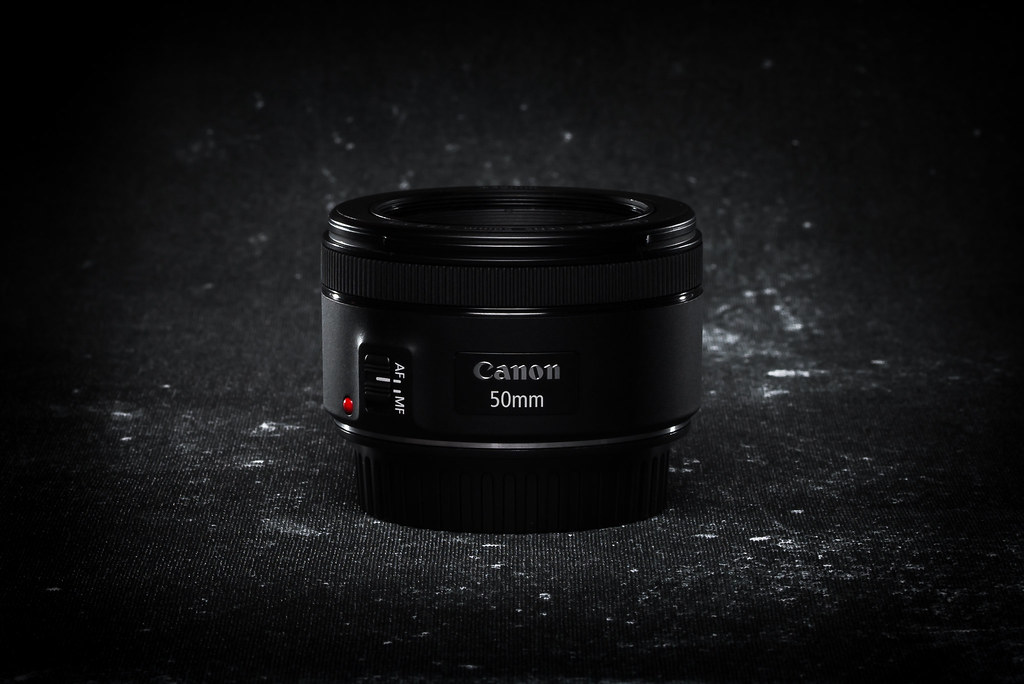
If you own a camera and a kit zoom and you’ve never tried a prime lens, you are sitting on the single biggest, cheapest upgrade in photography. Not a new body. Not a more expensive zoom. A simple prime — a lens that doesn’t zoom — for roughly the price of a kit lens or less. We’ve put inexpensive primes through real shoots for years, and the reaction from people trying one for the first time is almost always the same: why didn’t anyone tell me sooner?
Here’s the case for the budget prime, the three focal lengths worth your money, and how to pick.
Why a prime beats your kit zoom
A prime lens does one thing — one focal length — and because it isn’t engineering around a zoom range, it can do that one thing exceptionally well for very little money. Three concrete advantages:
It’s sharper. Even the cheapest primes tend to out-resolve the kit zoom that came with your camera, especially when stopped down a touch. Detail is crisper, contrast is better, and images have more “bite.”
It gathers far more light. A fast aperture like f/1.8 lets in dramatically more light than a typical kit zoom, which means lower ISO, faster shutter speeds, and the ability to shoot indoors and at dusk without a flash or a tripod. This alone rescues countless shots.
It blurs backgrounds beautifully. That wide aperture also produces shallow depth of field — the soft, creamy background that instantly makes a portrait look “professional.” Kit zooms struggle to deliver this; a budget prime hands it to you on day one.
There’s also a hidden benefit: a prime makes you a better photographer. Because you can’t zoom, you move your feet, you think about composition, and you learn to see in a focal length. That discipline is worth as much as the optics.
The three focal lengths worth owning
The 50mm f/1.8 — the “nifty fifty”
If you buy one prime, buy this one. Nearly every major camera system makes an affordable 50mm f/1.8, and it is consistently the best value in all of photography. The “normal” 50mm view roughly approximates how we see, which makes it versatile and natural-looking.
- Best for: Portraits, food, everyday shooting, low light, learning the craft.
- Why people love it: Sharp, light, cheap, and that f/1.8 aperture delivers gorgeous subject separation.
- The catch: On a crop-sensor body it behaves more like a short telephoto, which can feel tight in small rooms.
This is the lens that converts people. Buy it, leave it on the camera for a month, and you’ll understand the appeal.
The 35mm — the everyday storyteller
A 35mm is the documentary photographer’s lens: wide enough to capture context and environment, but not so wide that faces distort. It’s the focal length for street photography, travel, events, and “a day in the life” storytelling. On a crop-sensor body, a 35mm gives you roughly that classic “normal” everyday field of view, which is why many crop shooters reach for one as their walk-around lens.
- Best for: Street, travel, environmental portraits, group shots in tight spaces.
- Why people love it: It captures the scene, not just the subject. One lens for a whole trip.
- The catch: Get too close to a face and you’ll see mild distortion; it’s a storytelling lens, not a flattering-headshot lens.
The 85mm — the portrait specialist
An 85mm is the classic portrait focal length, and a budget version is a revelation for anyone shooting people. The longer focal length compresses features flatteringly, and the wide aperture melts backgrounds into smooth color. You stand a comfortable distance from your subject, which also relaxes them.
- Best for: Portraits, headshots, isolating a subject from a busy background.
- Why people love it: Flattering compression plus serious background blur equals images that look studio-grade.
- The catch: It’s long. Indoors you’ll be backing into walls, and it’s too tight for general everyday use.
What to actually look for in a budget prime
Specs can be overwhelming, so focus on what matters:
- Aperture: f/1.8 is the sweet spot for budget primes — fast enough for great low-light and background blur, without the premium price of f/1.4 or f/1.2.
- Autofocus type: Look for a quieter, modern focusing motor if you shoot video or want fast, silent focus. Older screw-drive designs can be noisy and slower.
- Build: Budget primes are often plasticky. That’s fine — it keeps them light — just don’t expect weather sealing.
- First-party vs. third-party: Camera brands’ own f/1.8 primes are reliable and cheap. Reputable third-party makers often offer comparable or better optics, sometimes at lower prices. Both are safe bets; read reviews for your specific mount.
- Mount compatibility: Obvious but essential — confirm the lens is made for your exact camera mount before buying.
How to choose
If you’re unsure, this is the order we’d recommend:
- Start with the 50mm f/1.8. It’s cheap, brilliant, and teaches you the most. Almost no one regrets this purchase.
- Add a 35mm if you find 50mm too tight, or if you shoot a lot of travel, street, and interiors.
- Add an 85mm once you know you love shooting portraits and want that specialist look.
The bottom line
You do not need to spend a fortune to dramatically improve your photos. A single budget prime — most likely the trusty nifty fifty — will out-shoot your kit zoom in sharpness, low light, and background blur, while quietly making you a more thoughtful photographer. For roughly the cost of a nice dinner out, it’s the rare upgrade that delivers far more than it costs. Buy one, commit to it, and watch your images change.