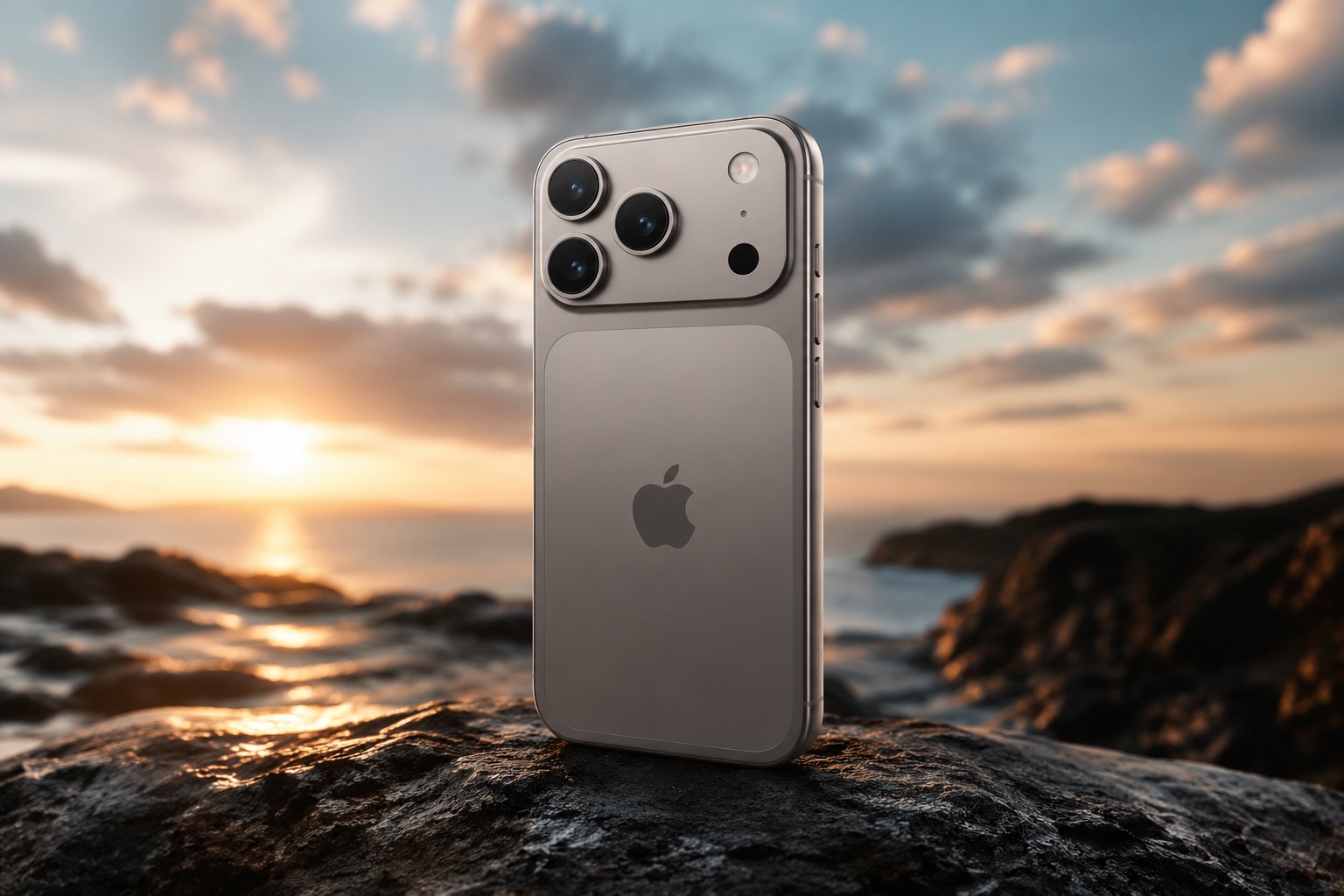
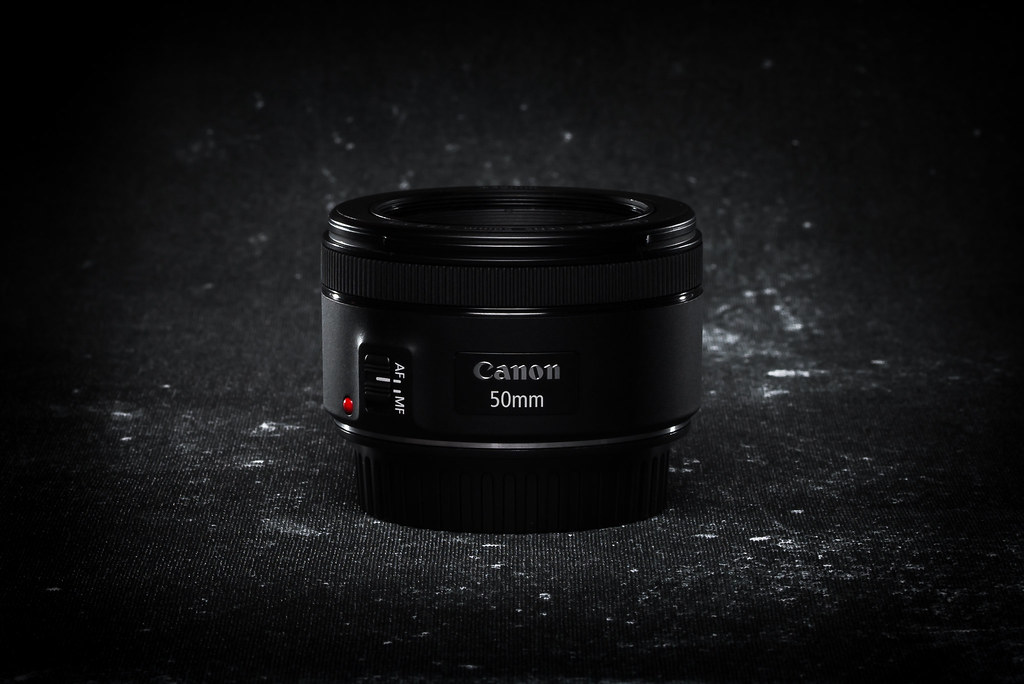
Smartphone vs. Mirrorless in 2026: Can Your Phone Replace a 'Real' Camera?
A nuanced head-to-head on sensors, optics, and computational smarts — where phones win, where mirrorless still rules, and how to choose.
Every year the question gets louder: do you still need a “real” camera? Phones keep getting better, mirrorless bodies keep getting more expensive, and the honest answer has shifted from “obviously yes” to “it depends — and here’s exactly what it depends on.” We’ve spent a lot of time shooting both, side by side, in the situations real people actually photograph. The conclusion isn’t a winner. It’s a map.
The fundamental difference
Strip away the marketing and the divide comes down to two philosophies.
A mirrorless camera is a physics machine. It pairs a large sensor with interchangeable glass and gathers a lot of light through good optics. The quality of the image is mostly determined before any software touches it.
A smartphone is a computation machine. It has a small sensor and tiny lenses, and it compensates with extraordinary processing — capturing and merging many frames, suppressing noise, balancing exposure, and reconstructing detail. The quality of the image is mostly determined after the light hits the sensor.
Neither approach is “better.” They’re optimized for different things, and understanding that tells you everything about where each one wins.
Where the phone wins
Convenience, and therefore the shot. The best camera is the one you have, and you always have your phone. Half of “great photography” is simply being present and ready. Phones win an enormous number of pictures by default, because the mirrorless body was at home on the shelf.
Computational HDR. That tricky scene with a bright sky and a dark foreground? A phone handles it automatically, blending exposures into a balanced image with no effort. A mirrorless camera can match or beat it, but only if you know how to expose for it and are willing to do the work in editing.
Night mode. For casual low-light shots — a dim street, a candlelit dinner — a phone’s multi-frame capture produces clean, usable images straight out of the camera. Getting comparable results on mirrorless takes a tripod or real technique.
Sharing and workflow. Shoot, edit, post — all on one device, in seconds. For social media, messaging, and everyday memory-keeping, the phone’s frictionless pipeline is unbeatable.
Video stabilization. Modern phones produce gimbal-smooth handheld footage with no accessories, which is genuinely hard to replicate on a camera without extra gear.
Where mirrorless wins
Low light, properly. A big sensor simply collects more light. When the scene gets truly dark, or you need a fast shutter in dim conditions, the larger sensor pulls ahead with cleaner files and more believable detail — without the smoothed, painterly look that phones fall back on.
Reach and real telephoto. This is the most decisive gap. Put a long lens on a mirrorless body and you can fill the frame with a distant subject — wildlife, sports, a performer on a far stage — with optical quality a phone can only approximate by cropping and guessing.
True depth of field. A fast lens on a large sensor renders a creamy, optical background blur with natural transitions that phone “portrait modes” still simulate imperfectly, especially around hair, glasses, and complex edges.
Dynamic range and editing latitude. A large-sensor RAW file gives you room to push and pull exposure aggressively in editing without falling apart — invaluable for landscapes, weddings, and any high-contrast scene you intend to refine.
Control and the act of shooting. Dials, a viewfinder, dedicated buttons, and the deliberate pace of a real camera make the process better. For people who love photography as a craft, this matters as much as the files.
Big prints. When you crop hard or print large, sensor size and optical resolution show. A phone image that looks perfect on a screen can reveal its limits at poster size.
A practical way to decide
Rather than asking “which is better,” ask what you actually shoot:
- Mostly everyday life, travel, food, social media, family video. A modern phone is genuinely all most people need. Buying a mirrorless camera you’ll leave at home is worse than shooting confidently with the phone in your pocket.
- Portraits with serious background separation, low-light events, concerts, weddings. Mirrorless, with a fast lens. The depth of field and low-light advantage are real and visible.
- Wildlife, sports, anything far away. Mirrorless, no contest. Reach is physics.
- Landscapes and prints. Mirrorless if you care about big enlargements and maximum editing latitude; a phone is surprisingly capable if your output is screens.
- Learning photography as a craft. Mirrorless. The manual controls teach you how exposure, aperture, and focal length actually work — knowledge that then makes you better on the phone, too.
The honest middle ground
Here’s what years of shooting both has taught us: the smartphone hasn’t replaced the mirrorless camera, but it has replaced the reason most people bought one. The casual market — snapshots, vacations, the kids — was always under-served by complicated cameras, and the phone serves it beautifully.
What survives, and even thrives, is the dedicated camera as a deliberate tool. People who pick up a mirrorless body in 2026 increasingly do so because they want reach, control, low-light muscle, and the optical look that computation still can’t fully fake — not because they have no alternative.
Verdict
Can your phone replace a real camera? For the photography most people do, it already has, and there’s no shame in that. For the photography that pushes against the limits of physics — distance, darkness, depth of field, and the demands of large prints — the answer is still no, and probably will be for a long while.
The smart move isn’t loyalty to one or the other. It’s knowing which tool the moment in front of you calls for. Carry the phone always. Reach for the mirrorless when the shot demands it. And stop feeling guilty about the camera you didn’t bring.