Why Film Photography Is Booming Again in a Digital World
A thoughtful look at the film resurgence: its look and limitations, the appeal of slowing down, the real costs, and advice for the curious.
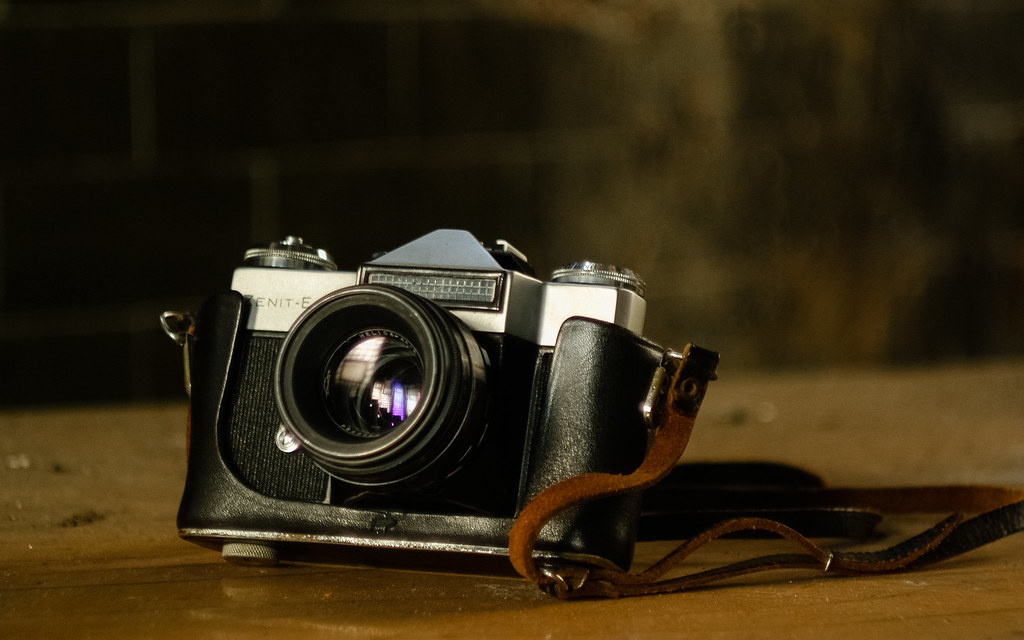
There’s a particular irony in watching a teenager photograph a sunset with a film camera, then pull out a phone to post a snapshot of the film camera itself. Film was supposed to be over. Digital won that argument decisively two decades ago, and for a while it looked like rolls of celluloid would settle into the same quiet afterlife as vinyl records and fountain pens, beloved by a shrinking circle of holdouts. Instead, the opposite happened. Film is back, demand for it has surged, secondhand cameras command prices that would have seemed absurd a decade ago, and a generation that grew up entirely on screens has decided that the slow, expensive, fallible old medium is worth the trouble.
What’s going on? The temptation is to dismiss it as nostalgia or aesthetic posturing, and some of it surely is. But that explanation is too easy, and it misses what’s genuinely interesting about the revival. Film is booming not in spite of its inconvenience but, in large part, because of it.
The look you can’t quite fake
Start with the obvious: film has a particular visual quality that people find beautiful and that digital, for all its precision, has never perfectly replicated. The way film renders color, the gentle roll-off in the highlights, the organic texture of grain, the slightly unpredictable response to light, adds up to an image that feels warm and alive in a way that clean digital files often don’t.
Filters and presets chase this look constantly. Phone apps offer “film emulation” by the dozen. And they get close, close enough that most viewers can’t reliably tell the difference in a casual scroll. But there’s a meaningful gap between a digital file processed to resemble film and a frame that actually was film, where the grain and color response are baked into the physics of the medium rather than applied afterward. For many shooters, knowing the difference is the difference.
The gift of limitation
The deeper appeal, though, has less to do with how film looks and more to do with how it makes you behave. A roll of 35mm gives you 24 or 36 frames. There’s no chimping, no instant review, no deleting the bad ones, no shooting a hundred near-identical shots and sorting it out later. Every exposure costs money and can’t be undone. You won’t see the results for days.
That friction sounds like a flaw. To a growing number of photographers, it’s the entire point.
When every frame costs something and you can’t see it until later, you stop spraying and start seeing. Scarcity makes you deliberate.
In an era of infinite, frictionless capture, where the average person shoots more photos in a week than their grandparents took in a lifetime, the deliberate scarcity of film reintroduces something that abundance quietly stripped away: intention. You slow down. You think about light, composition, and timing before you commit, because you have to. You stay present in the moment instead of immediately reviewing it on a screen. People describe shooting film as calming, even meditative, and that’s not an accident. The constraints force a kind of attention that endless digital capacity actively discourages.
Who’s driving the trend
It would be neat to credit the revival to aging photographers reclaiming their youth, but the data on the ground points elsewhere. Much of the energy comes from younger people, many of whom never shot film the first time around and have no nostalgia to indulge. For them, film isn’t a return; it’s a discovery.
Several currents feed into it. There’s a broad cultural appetite for analog experiences, the same impulse behind the vinyl resurgence and the renewed interest in handwritten journals and mechanical watches, a pushback against screens by people who spend most of their lives on them. There’s the appeal of a physical, tangible result in a world where most images live and die as ephemeral files. And there’s a social dimension: film has become a marker of taste and seriousness, a way of signaling that you care about photography as craft rather than content. Online communities devoted to film have grown into genuine subcultures, complete with their own canon of beloved cameras and stocks.
The friction is real
Honesty requires acknowledging the downsides, because they’re substantial and they’re not going away. Film is expensive and getting more so. Every roll has to be bought, then developed, then either scanned or printed, and each step costs money and time. Mistakes are permanent. A roll can be ruined by a loading error, a light leak, or a lab mishap, and you won’t find out until it’s too late. The wait between shooting and seeing your images runs from days to weeks. Good used cameras, once cheap, now sell for real money as demand outpaces a supply that nobody is manufacturing more of. And the infrastructure, labs, repair technicians, the chemistry itself, is thinner than it once was, concentrated in cities and increasingly reliant on mail-in services elsewhere.
None of this is a reason to avoid film. But anyone romanticizing it should go in clear-eyed. The revival is real, and so is the cost.
Advice for the curious
If the idea appeals to you, the good news is that getting started is easier and cheaper than the cult of expensive cameras might suggest.
- Start with a simple camera. A basic, reliable 35mm camera, an old point-and-shoot or a sturdy manual SLR, is plenty. Resist the urge to chase the trophy models; they cost more and won’t make your photos better while you’re learning.
- Choose a forgiving film. A general-purpose color negative stock has wide exposure latitude, meaning it tolerates mistakes gracefully. Save the finicky slide film for later.
- Find a lab before you shoot. Know where you’ll get film developed and scanned, whether local or mail-in, so a finished roll doesn’t sit in a drawer for months.
- Shoot in good light. Bright, soft daylight is the easiest condition to expose well. Master that before reaching for low light.
- Let mistakes be part of it. The light leaks, the missed focus, the occasional ruined frame, these are the texture of the medium, not failures to be eliminated. Some of your favorite shots will be happy accidents.
A coexistence, not a competition
It’s worth being clear about what the film revival is not. It’s not a referendum on digital, and it’s certainly not a sign that phones and mirrorless cameras are on their way out. The overwhelming majority of photographs taken today are, and will remain, digital, instant, free, and effortlessly shared. Film isn’t competing with that. It’s offering an alternative for the moments when you want photography to feel different: slower, more deliberate, more invested.
The most likely future isn’t film versus digital but film alongside digital, two tools serving different purposes for people who care about images. That a forty-year-old camera and a roll of plastic can still draw a new generation away from the most powerful imaging device ever made, the one in their pocket, says something quietly hopeful about photography. Sometimes the friction is the feature. Sometimes the slow way is the one that makes you look.