46 Years of Terrible Travel Photos. Then I Learned What My iPhone Could Do.
My wife kept a list of places for later. This is what I finally brought home.
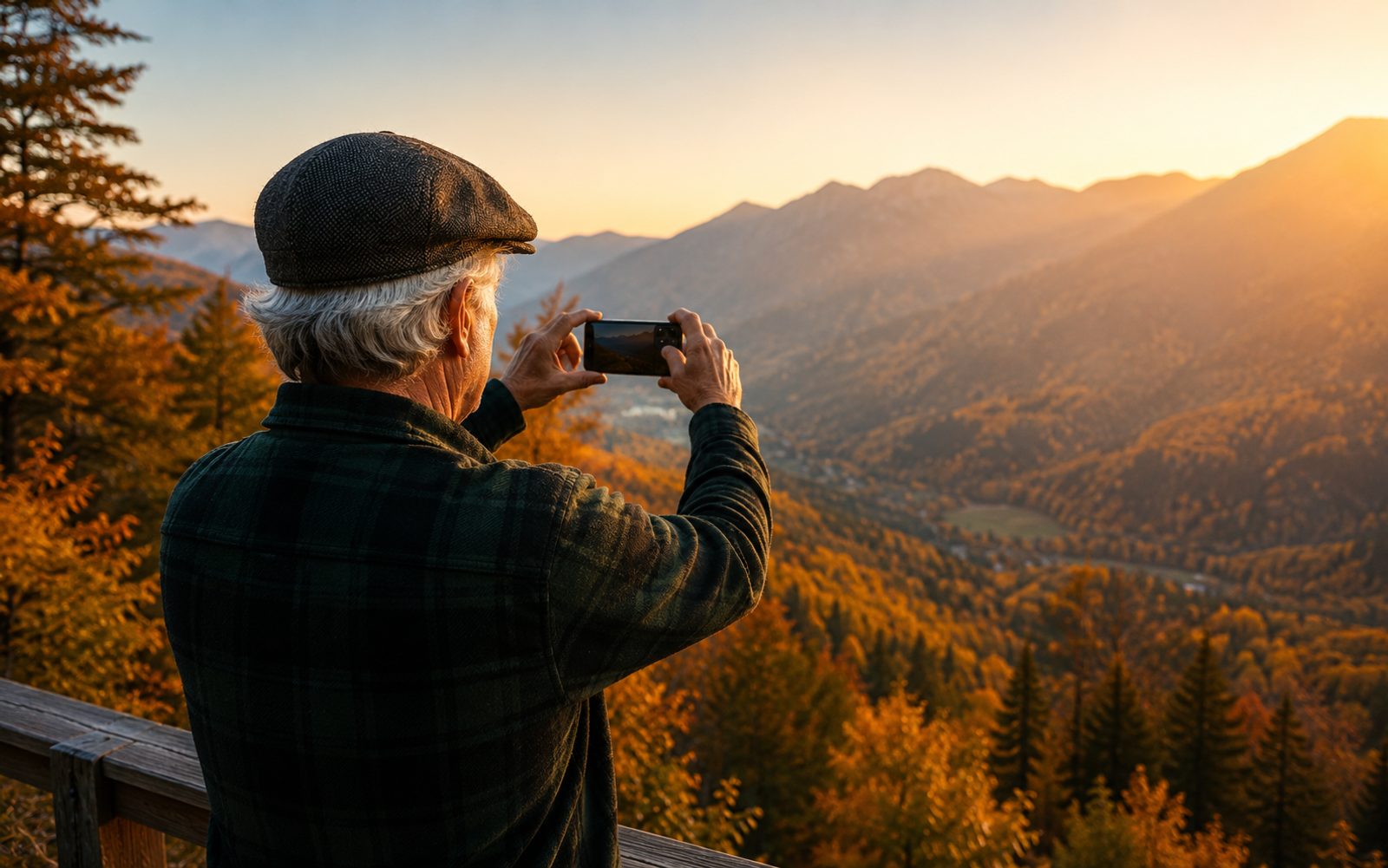
My wife keeps a list in the back of her recipe book. Six places, in her small, tidy handwriting. At the top it says: “For later.”
The list is older than our grandchildren. We were always going to get to it. After the renovation. After the wedding. After my knee.
Then, two winters ago, Marta got sick. The kind of sick where the doctor closes the door before he talks to you.
She’s doing well now. I want to say that straight away, because she’s sitting across the kitchen table while I write this, telling me which parts to leave out.
But that winter changed one word for us. “Later” stopped meaning “eventually.” It started meaning “maybe never.”
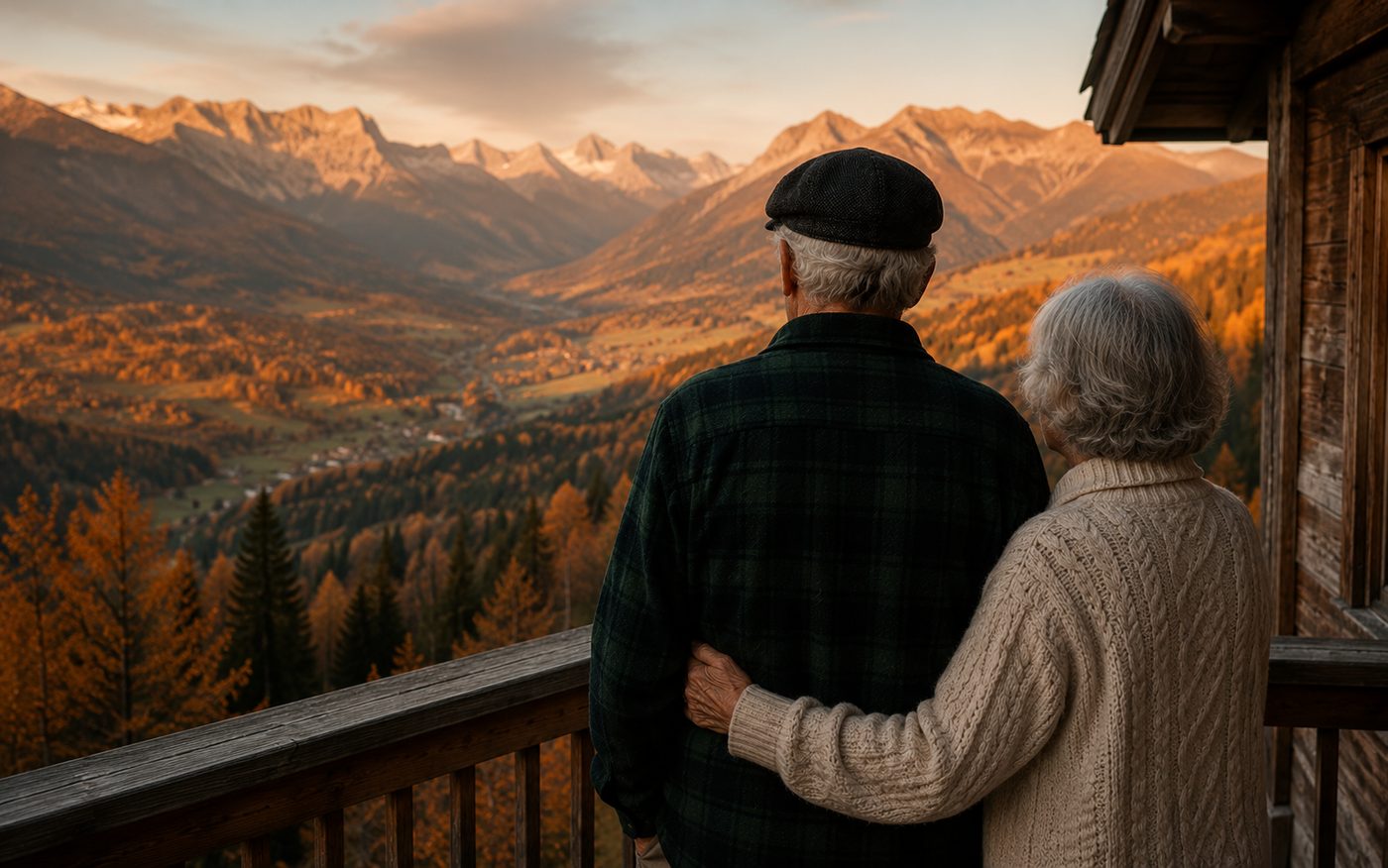
So last October, we drove to the first place on her list. The mountains she’d underlined twice. And for once in my life, I was determined to bring them home properly.
Look at the light
Marta has a habit. Forty-six years, everywhere we go, she grabs my arm and says: “Tom. Look at the light.”
I look. I nod. Then I take a photo that looks like nothing at all.
That was always our arrangement. She sees things. I take blurry proof that we’d been somewhere. Heads cut off. Horizons on a slope. My thumb, in more photos than my children.
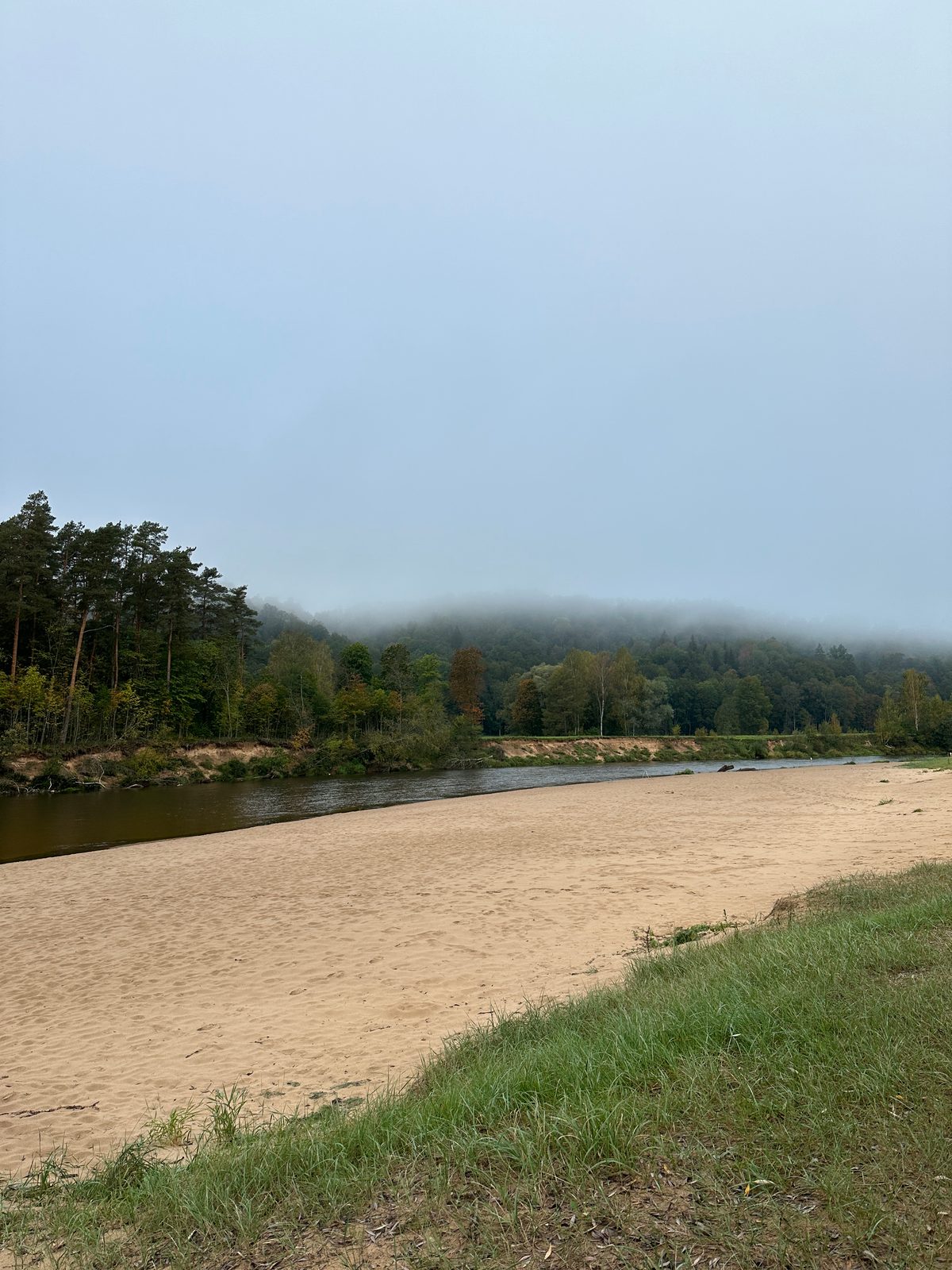
She never minded. She’d laugh and say the pictures were in her head anyway.
After that winter, “in her head” stopped being good enough for me. I wanted the pictures to exist. On paper. On the wall. In our grandchildren’s phones, long after “later.”
A trip and a wall
I booked the cabin the same week her doctor first used the word “recovering.” October, because on the list, next to the mountains, she’d written “October!” with the exclamation mark.
A few nights later, an ad turned up on my phone. An online photography course, promising proper photos from the iPhone I already owned. Normally I scroll past these things, slowly, the way I do everything on a phone. But I had a trip booked, an empty wall, and a new understanding of the word “later.”
It cost about what I spend at the garden center on a Saturday. I signed up.
The lessons turned out to be short videos. A calm voice, a screen you copy, no jargon. Manageable, even for a man who prints his emails.
The first evening, I nearly gave up
Here’s the part the travel shows skip.
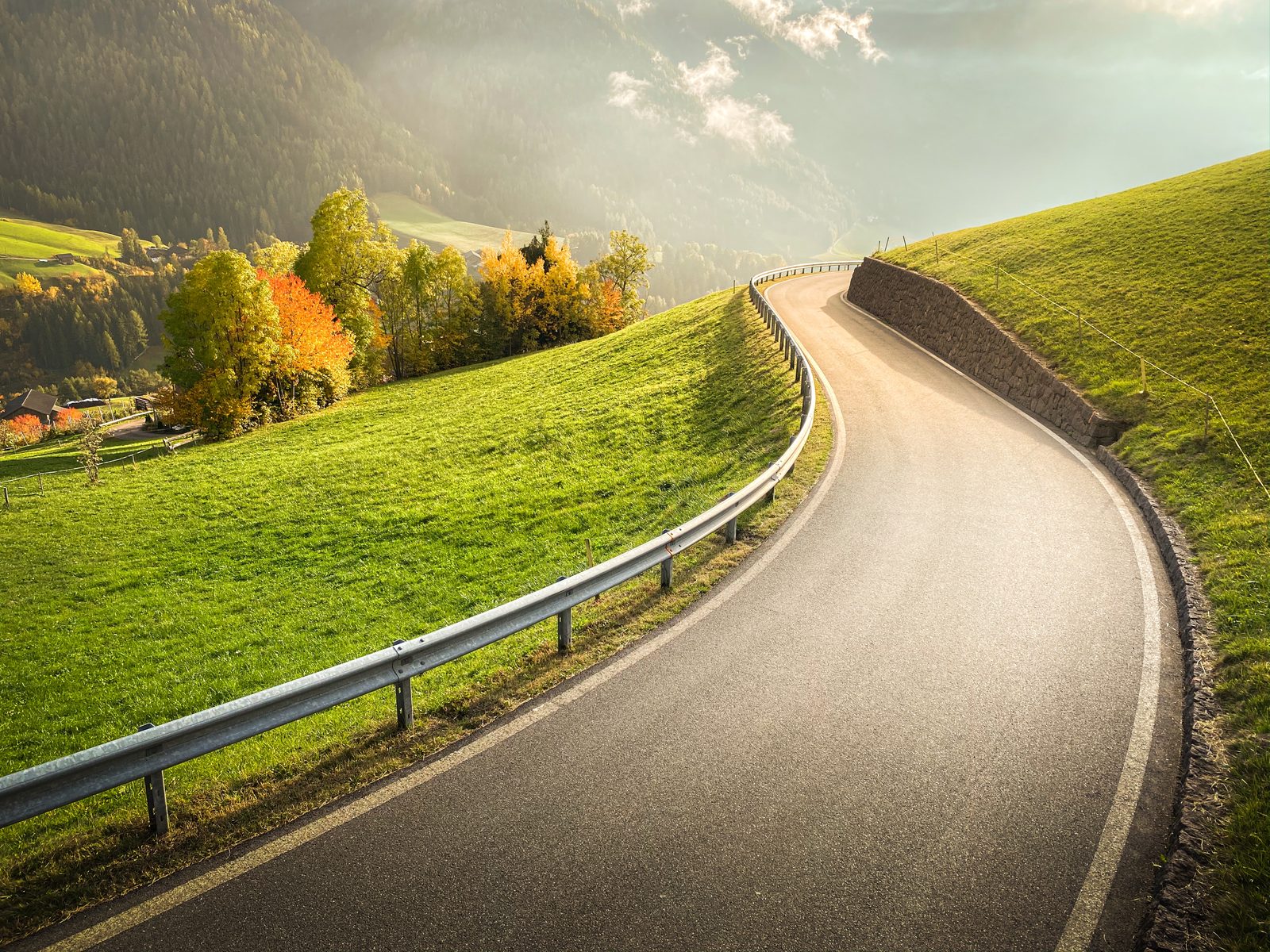
We arrived, unpacked, and I took forty photos from the cabin balcony before dinner. That evening I looked through them. They were mine, all right. Flat, gray, crooked. The mountains Marta underlined twice looked like a wet postcard.
I sat on the bed and thought: you old fool. You can’t buy new eyes for the price of a course.
But one of the lessons had said something that stuck with me, mostly because it sounded like her. It said the secret isn’t the camera. It’s when you go out. So the next morning, I set an alarm for 6:40. For the light.
There was a meadow above the village, and I had it to myself. Two horses, the wooden huts, haze on the far ridge. I did what the lesson said. Phone low. Sun off to the side, not behind my back.
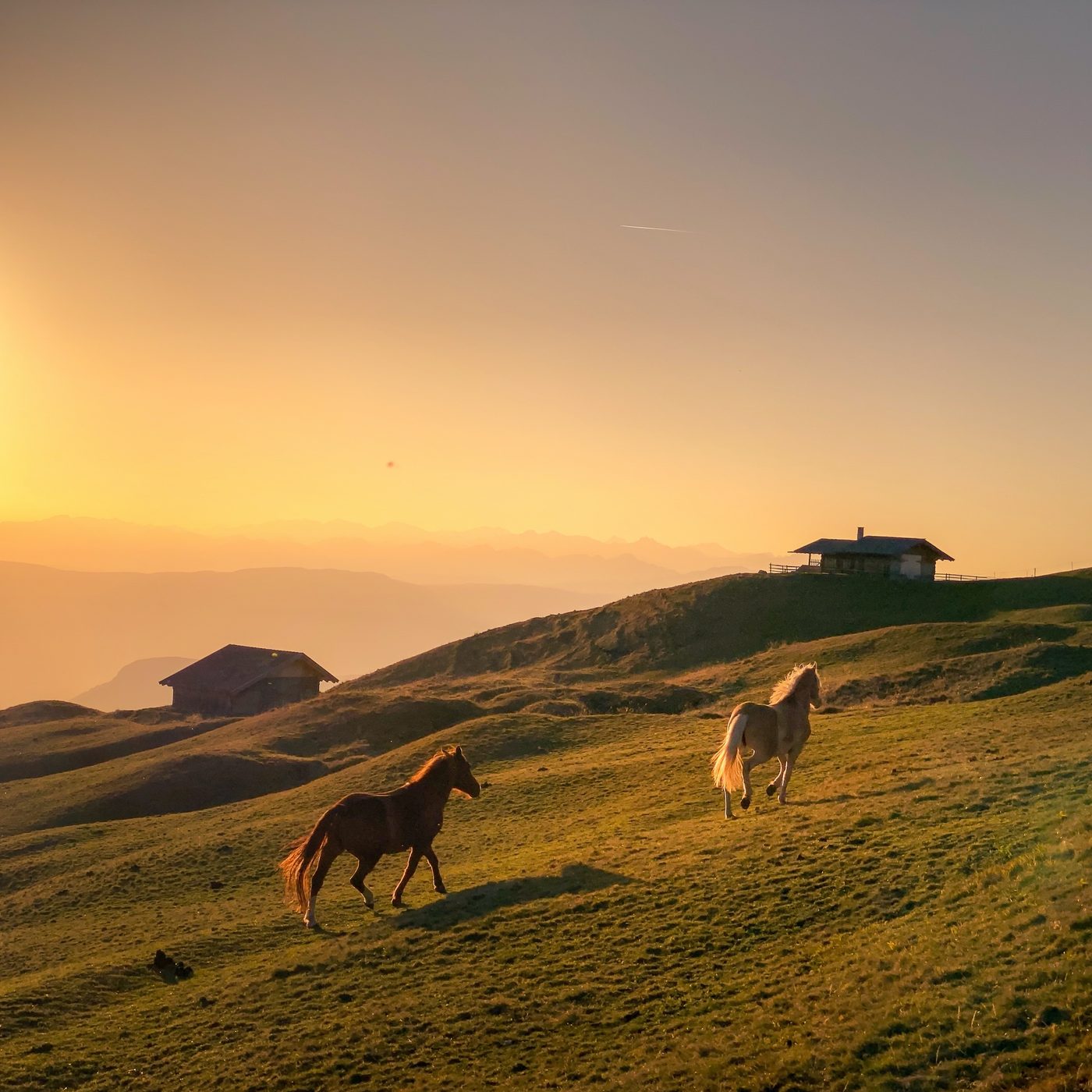
I walked back and woke Marta. I handed her the phone without a word.
She looked at it for a long time. Then she said: “Tom. Look at the light.”
Forty-six years, and it was the first time she’d said it about one of mine.
Tip one: go out when the light is low. The hour after sunrise and the hour before sunset. It’s the same mountain, but a different world. If your travel photos look flat, the light is usually why.
Out every morning
After that, you couldn’t keep me in bed. Not brave, just awake.
By day three, Marta was coming along to watch, with coffee and a blanket.
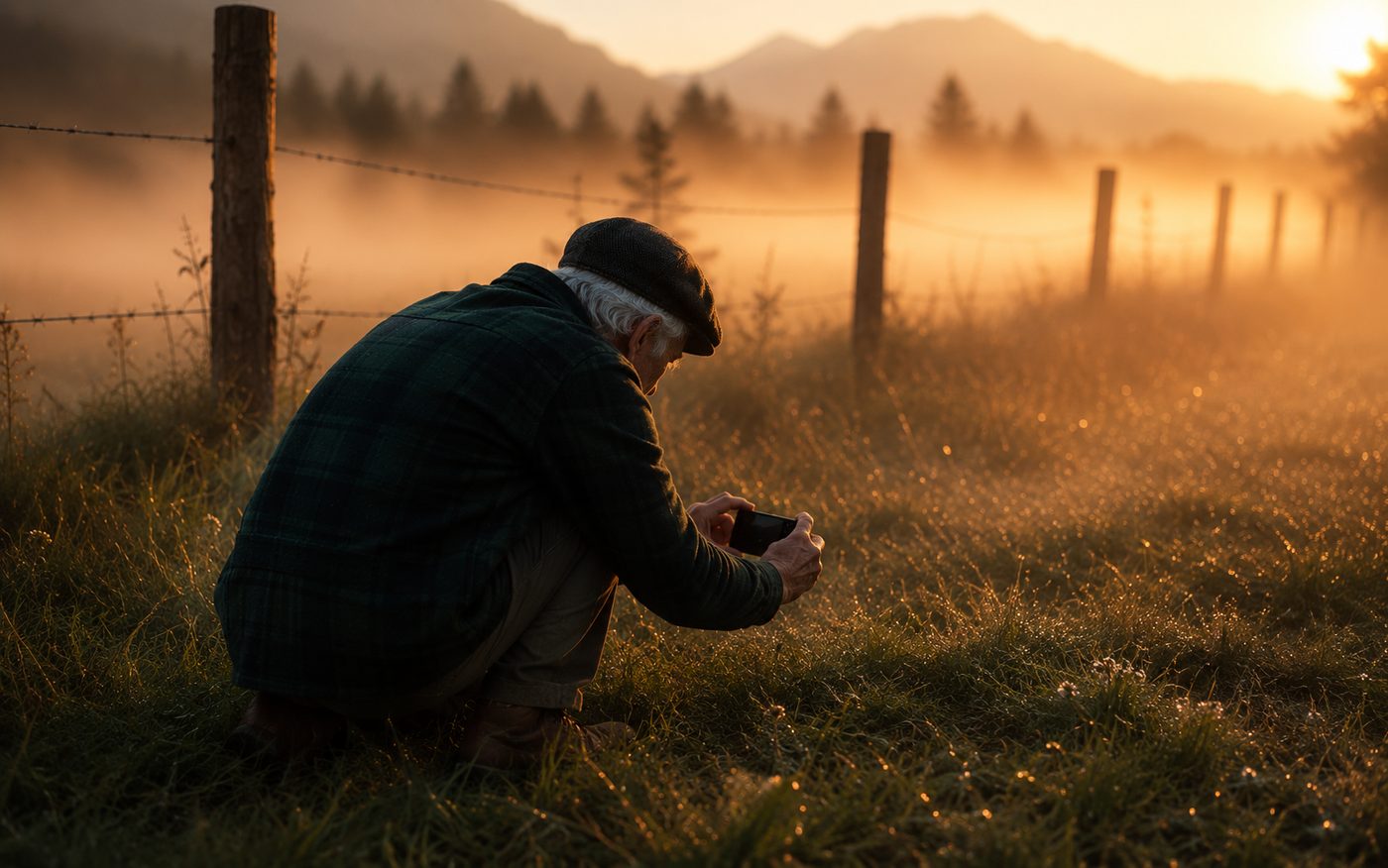
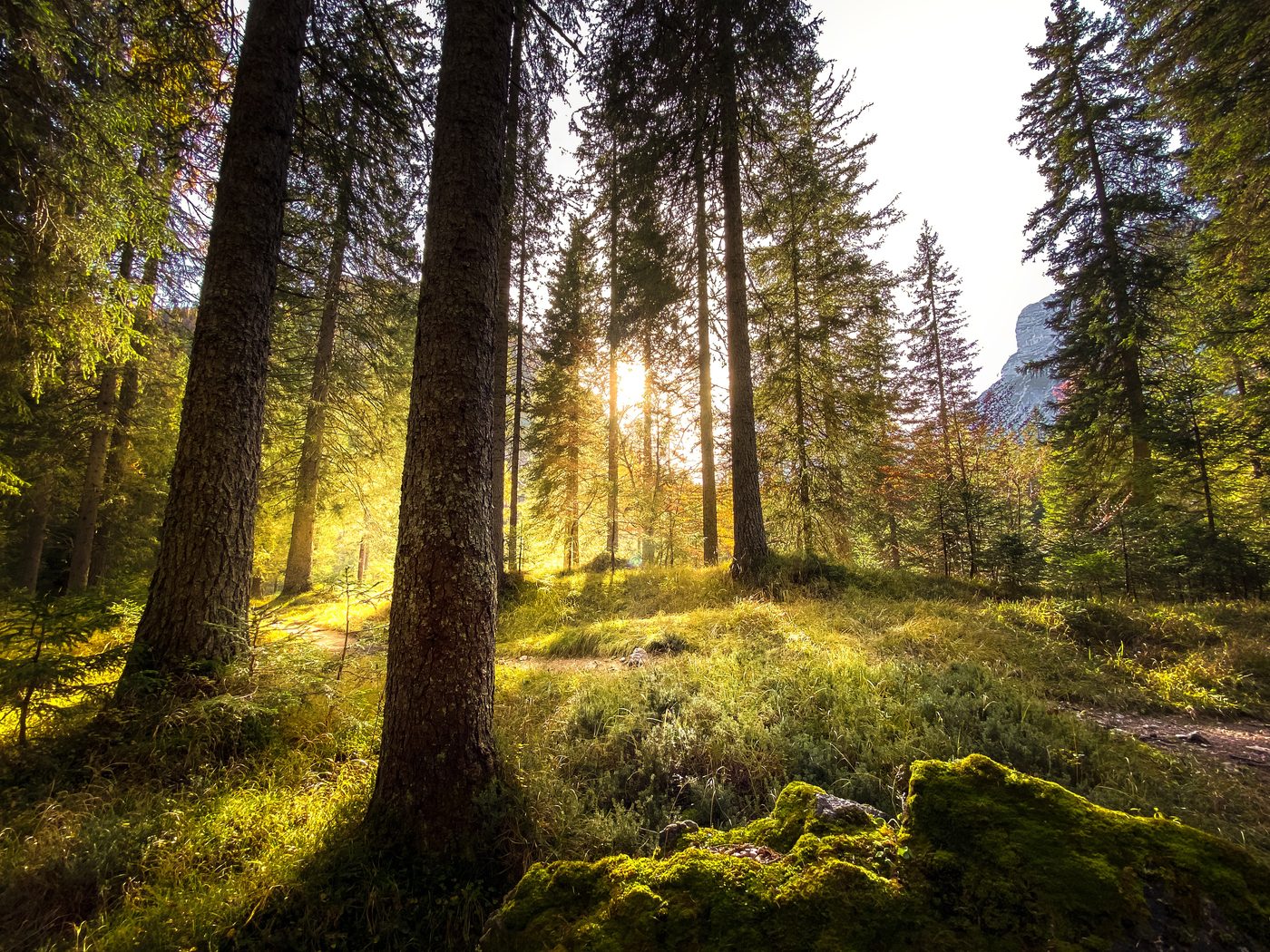
I learned to stop putting the interesting thing in the middle of the frame. I learned to crouch, lean, and wait. And one morning the sun came through the pines like someone had switched it on, and I got a photo I still can’t quite believe is mine.
One minute of fog
On the last morning, the whole valley was under cloud. The old me would have stayed at breakfast. Marta stayed at breakfast, with a hot chocolate. Some things don’t change.
I walked to a bend in the road where an autumn branch hung over the view, and I waited, because one lesson said a photo needs something up close to give it depth.
The fog opened for about a minute. The church came through it like a ship.
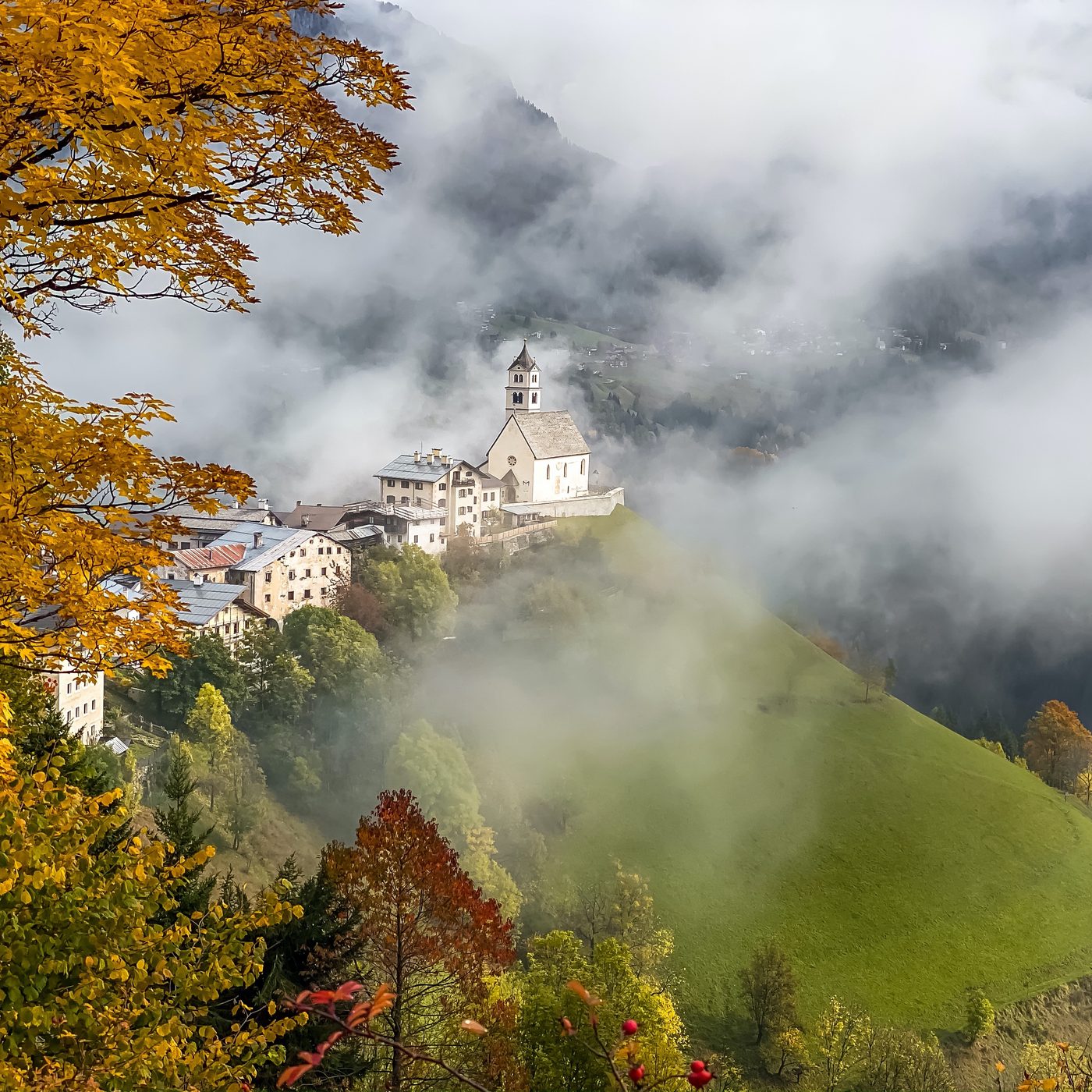
Tip two: give the photo a front and a back. Put something close to you in the frame. A branch, a fence, a doorway. Depth is the difference between a snapshot and a photograph.
Every evening we sent the day’s photos to our daughter. On the last evening she replied: “Dad. Be honest. Who took these?”
Marta typed the answer before I could: “I trained him for 46 years.”
The bridge at home
Back home, the seeing came with us. We walk in the evenings now. Doctor’s orders, officially. The light’s orders, really.
One evening in November I stopped on the bridge we’ve crossed for fifty years, held my phone against the railing, and photographed the traffic like the course showed me.
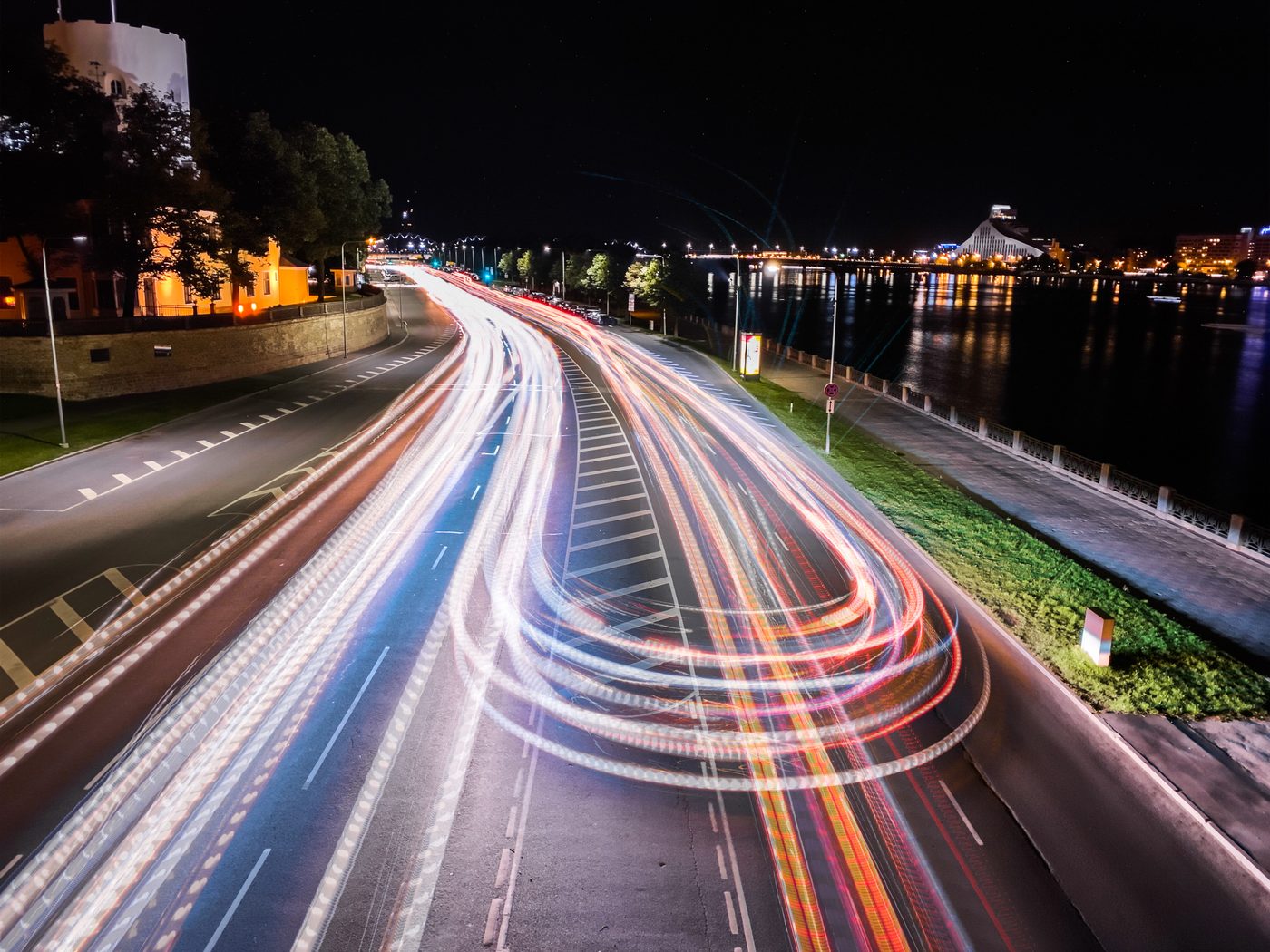
Tip three: turn city lights into rivers. Take a Live Photo of moving traffic, hold the phone steady against something solid, then open it and choose Long Exposure. No tripod, no camera bag. Just that.
The city we’ve lived in all our lives looked like somewhere worth visiting. Marta was cold and wanted coffee. She also made me print that one.
Five places left
The fog photo hangs in the kitchen now, next to her list. There’s a small tick beside the first place. Five to go.
I used to think photography was for holidays. It isn’t. It’s for the fact that nothing holds still. The grandchildren are taller every Sunday. Marta laughs across the table and the light comes through the window behind her, and none of it waits.
Now, some of it stays.
If you want the practical part: the course was iPhone Photo Academy. Short lessons, slow enough for a man who prints his emails. The three tips above are theirs. The reason is ours.
Item two on the list is by the sea. She wrote “spring” next to it. We’ll both be there.
And if you have a list of your own in the back of a recipe book somewhere: don’t wait for later. Later takes terrible photos.