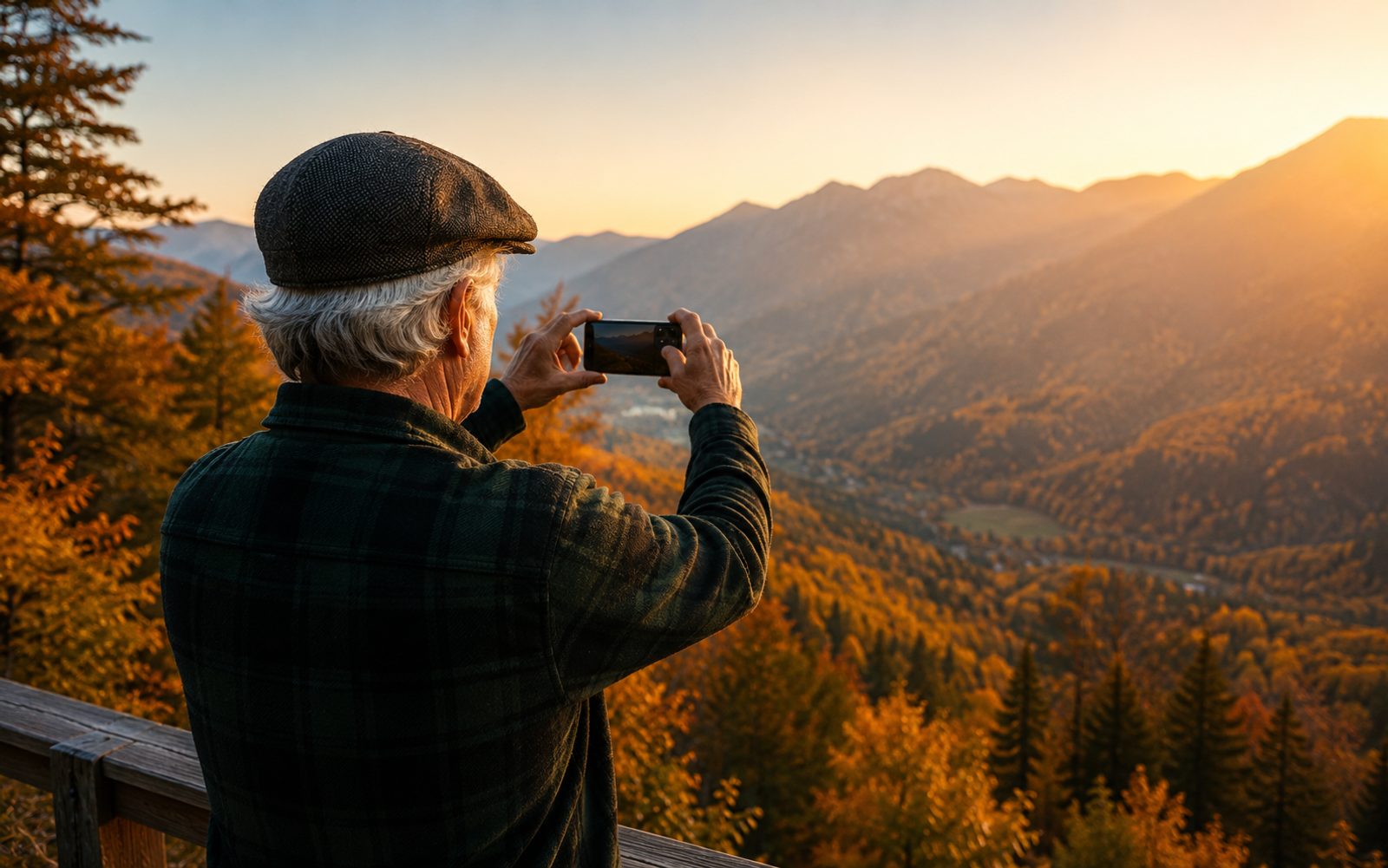
Golden Hour, Explained: Why the Best Light Happens Twice a Day
A practical guide to golden hour and blue hour, why the light turns warm and soft, and how to plan and shoot it on any camera.
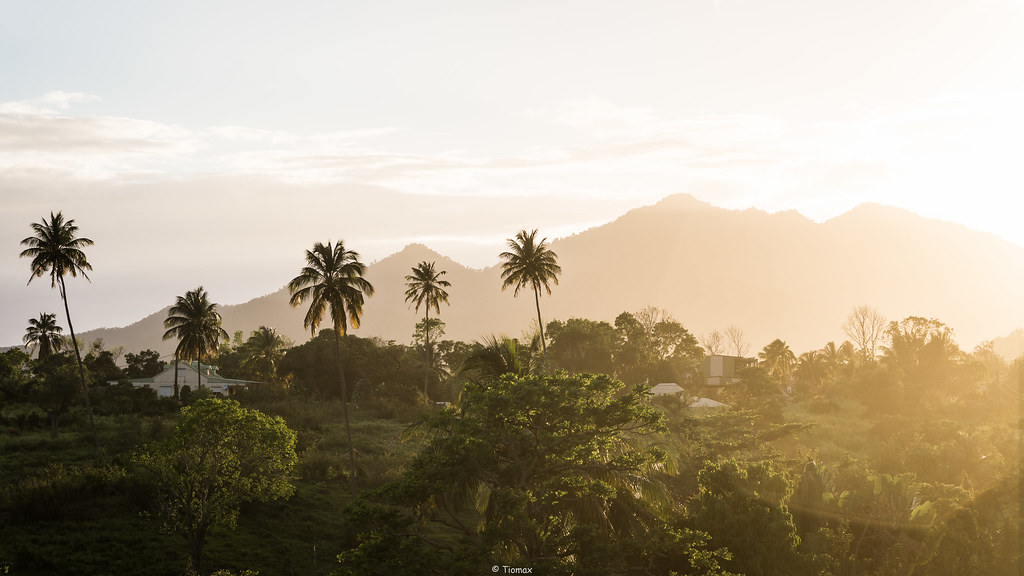
Ask a roomful of photographers when they do their best work and you’ll hear the same answer twice over: the hour after sunrise and the hour before sunset. There’s nothing mystical about it. When the sun sits low, its light has to travel through far more atmosphere to reach you, and that long journey changes everything about how a scene looks. The light turns warm, soft, and directional, and almost any subject standing in it suddenly looks better. Learning to see and use that window is one of the fastest ways to make your photos jump from snapshot to something people stop scrolling for.
This is also one of the few advantages that costs nothing. You don’t need a faster lens or a newer phone to shoot in golden hour. You just need to show up at the right time and point your camera in a smart direction. Here’s what’s actually happening, how to predict it, and how to make the most of it.
What golden hour actually is
Golden hour is the period shortly after sunrise and before sunset when the sun is low on the horizon, roughly between the moment it touches the horizon and when it climbs about six degrees above it. During that stretch, sunlight passes through a thick slice of atmosphere at a shallow angle. The atmosphere scatters away the shorter blue wavelengths and lets the longer red and orange wavelengths through, which is why the light skews warm and golden rather than the harsh white-blue of midday.
That low angle does two other things that matter enormously to photographers:
- It softens shadows. Light skimming across a scene rather than blasting down from overhead produces gentle, gradual transitions between light and dark instead of hard-edged contrast.
- It models form. Because the light rakes across surfaces, it reveals texture and three-dimensional shape: the contour of a face, the ripple of sand, the grain of a brick wall.
Midday sun flattens. Low sun sculpts. That single difference is why an ordinary subject can look extraordinary at the right time of day.
Blue hour: golden hour’s quieter sibling
Just before sunrise and just after sunset comes blue hour, when the sun is below the horizon but still lighting the sky from underneath. The world takes on a deep, even blue cast, soft and shadowless. Blue hour is shorter and dimmer than golden hour, but it’s a gift for cityscapes: it’s the brief window when the sky is still bright enough to hold detail while streetlights, windows, and signs glow at a balanced intensity. Shoot a skyline ten minutes too late and the sky goes black and the lights blow out. Catch it during blue hour and the two are in harmony.
How to predict and plan for it
The timing shifts daily and depends heavily on your latitude and the season. Near the equator the sun drops fast and golden hour is brief; in high-latitude summers it can stretch for an hour or more. A few habits make planning painless:
- Use a sun app. Free apps will tell you exactly when golden hour and blue hour start and end for your location, and the better ones show the sun’s direction so you can predict where shadows and backlight will fall before you arrive.
- Scout first. Find your composition during ordinary daylight, then return when the light is right. You don’t want to be hunting for a frame while the best ten minutes tick away.
- Arrive early, stay late. The light changes minute to minute. Be in position before it peaks, and keep shooting after the sun dips, because blue hour often delivers the best frame of the evening.
How to shoot it
Golden hour rewards a slightly different approach than the point-and-hope reflex most cameras default to.
Expose for the highlights
Warm light is beautiful but easy to overexpose, and once a bright sky or a glowing edge clips to pure white, the detail is gone for good. On a phone, tap your brightest important area and drag the exposure slider down until the highlights hold. On a dedicated camera, watch your histogram and protect the right edge. It’s almost always better to recover a slightly dark frame than to rescue blown highlights.
Don’t let auto white balance steal the warmth
Cameras are built to neutralize color casts, which means auto white balance will often try to “correct” golden light back to a clinical neutral, throwing away the very thing you came for. If your camera or app allows it, set white balance to a daylight or shade preset to keep the warmth, or shoot raw so you can dial it back in later. On most phones, the warmth survives well enough straight out of the camera, but it’s worth checking.
Work with backlight
The most striking golden-hour images usually put the sun behind the subject rather than behind you. Backlighting creates a luminous rim of light around hair, leaves, fur, and shoulders, separating the subject from the background and giving the whole frame a glow. Position your subject between you and the low sun, then expose for their face so they don’t fall into silhouette, unless silhouette is what you want.
Embrace silhouettes
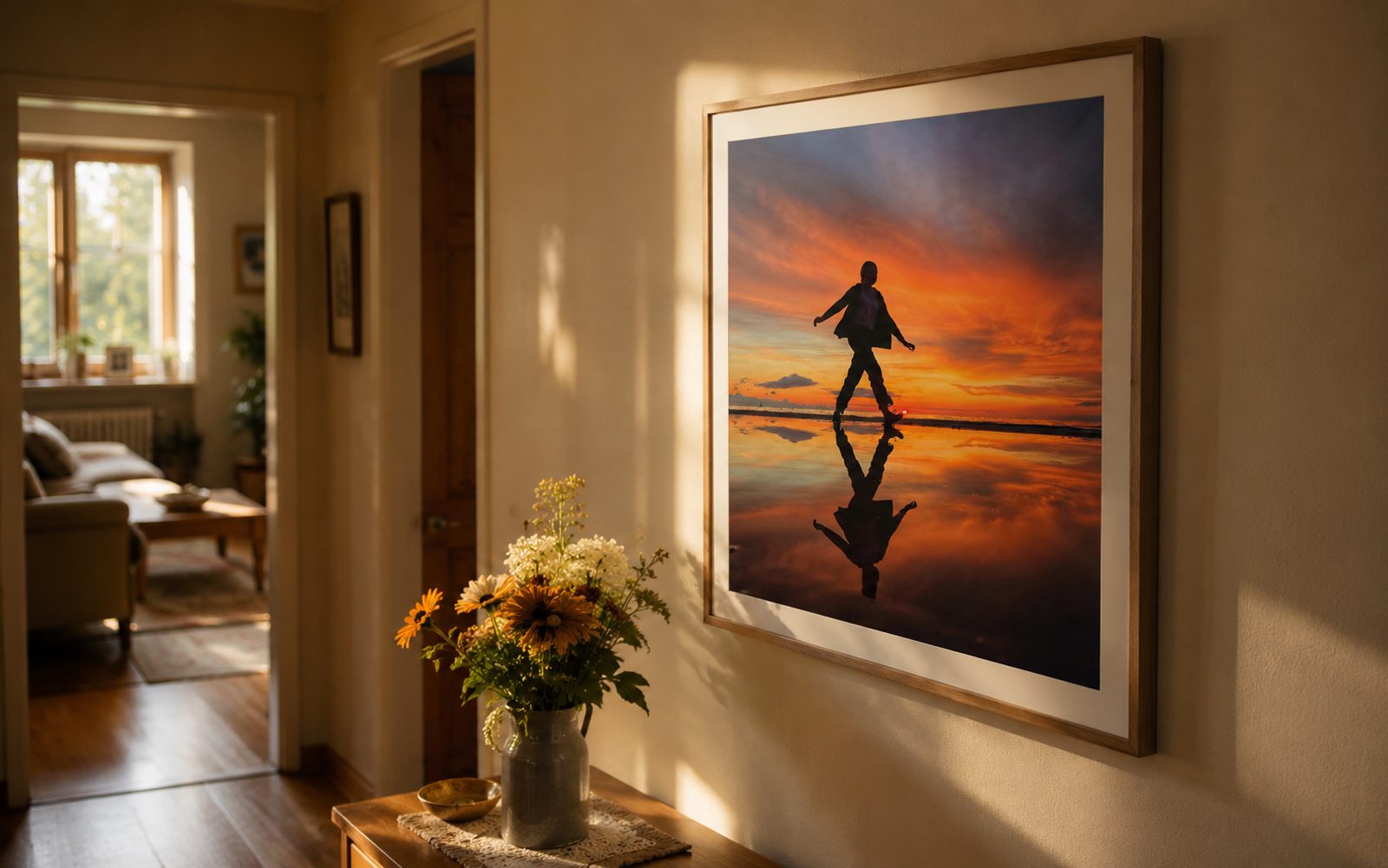
If you do the opposite and expose for the bright sky instead of the subject, you get a clean silhouette: a dark, graphic shape against a colorful backdrop. Silhouettes live or die on outline, so choose subjects with a clear, recognizable profile and keep them from overlapping into an unreadable blob.
Hunt for rim light and long shadows
Beyond the subject itself, look at what the low sun is doing to the whole scene. Long shadows stretching across a field or street become leading lines and graphic elements in their own right. A thin line of light tracing the edge of a building or a person, rim light, can be the entire point of a photograph. Train yourself to look toward the sun and slightly across it, not just away from it.
Why it flatters almost any subject
Portraits look better because soft, warm light smooths skin and the catchlights from a low sun are gentle rather than squint-inducing. Landscapes look better because raking light reveals texture in terrain that midday flattens into nothing. Food, products, architecture, even a casual photo of a friend across a table: the same warm, directional, low-contrast light that flatters a model flatters them too. It’s the closest thing photography has to a universal upgrade.
The catch, of course, is that golden hour is brief and it waits for no one. But that scarcity is part of the craft. Plan around it, show up ready, and point your camera with intent, and you’ll come home with the kind of light that no slider or filter can convincingly fake. The best light really does happen twice a day. The only question is whether you’re there for it.