The Art of Street Photography: Capturing Stories in a Single Frame
On the spirit and craft of street photography: minimal gear, quick settings, anticipation, ethics, and why a phone may be the perfect street camera.
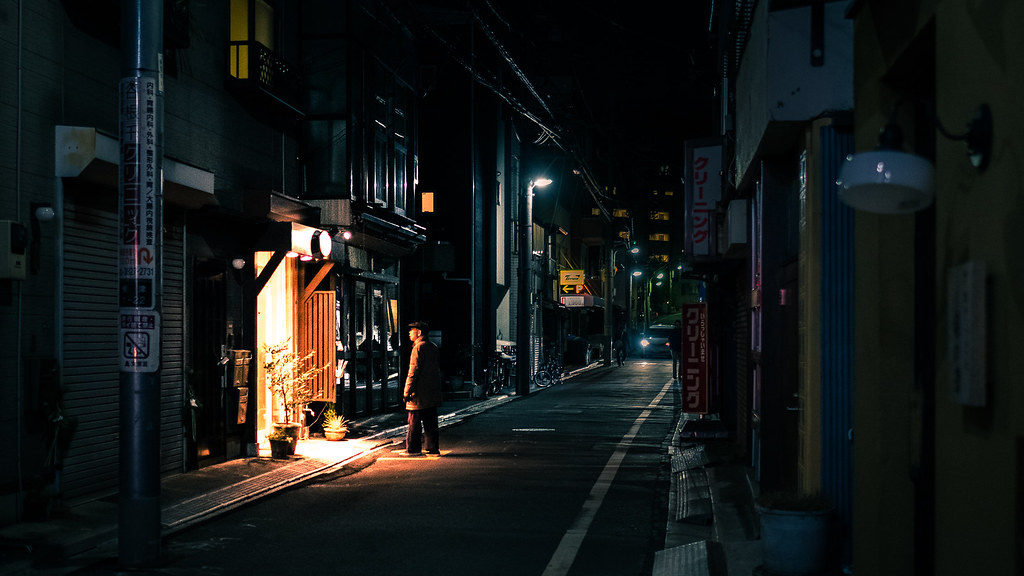
Street photography is the art of finding the extraordinary inside the ordinary. It happens on sidewalks and subway platforms, in markets and crosswalks, wherever strangers move through public space unaware that, for a fraction of a second, the geometry of their lives lines up into something worth keeping. No models, no lighting setup, no second take. The whole discipline lives in the gap between seeing a moment coming and pressing the shutter before it dissolves. Get it right and you’ve captured a small, true story that will never repeat.
It is also the most democratic form of photography there is. You don’t need a studio or a travel budget or expensive glass. You need a camera you can carry everywhere, an eye that stays awake, and the patience to wait for the world to arrange itself. That last part is the hard part, and it’s also the whole game.
The spirit of the thing
Before the technique, the mindset. Street photography is built on curiosity and restraint. You are not directing a scene; you are reading one. The photographers who do this well tend to share a few traits: they slow down enough to notice, they are comfortable being patient, and they care more about the moment than the gear that captured it.
The goal isn’t to document everything. It’s to find the frame where light, gesture, and background collide into meaning, a businessman leaping a puddle, a child mirroring a statue’s pose, two strangers caught in identical postures they’ll never know they shared. These are not lucky accidents, or not only luck. They are the reward for showing up, looking hard, and being ready.
The camera is the easy part. The discipline is learning to see a moment a half-second before it happens.
Travel light
The best street setup is the one that disappears. A heavy camera bag and a long lens make you slow, conspicuous, and reluctant to wander, which is fatal to a practice built on spontaneity. Most experienced street shooters carry a single camera with a single fixed focal length, often a moderate wide angle, and nothing else.
Why a wide-ish lens? It forces you close to your subject, which is where the energy is, and it captures enough context to tell a story rather than just isolating a face. A long zoom keeps you at a cowardly distance and tends to produce flat, voyeuristic frames. Working close, by contrast, puts you inside the moment.
This is exactly why a phone is such a natural street camera, and we’ll come back to that.
Settings that keep you ready
The cardinal sin of street photography is missing the shot because you were busy adjusting your camera. The fix is to pre-set everything so that when a moment appears, all you do is frame and fire.
- Zone focusing. Rather than relying on autofocus to lock on in the half-second you have, manually set your focus to a fixed distance, say, two to three meters, and use a smaller aperture so that everything within a generous range is acceptably sharp. Now anything that walks into that zone is in focus instantly. No hunting, no lag.
- Shutter speed first. Keep your shutter fast enough to freeze a walking stride, typically around 1/250 of a second or quicker. Motion blur from a slow shutter is the most common technical failure in street work.
- Let the ISO float. Set your shutter and aperture for the conditions, then let auto ISO handle the brightness. In daylight this is effortless; modern sensors handle the rest cleanly.
- Anticipate, don’t react. Watch how people move. See the patch of beautiful light falling on the pavement, then wait for someone to walk into it. The frame often exists before the subject arrives; your job is to be set up and waiting.
Working candidly and respectfully
Candid doesn’t mean sneaky, and it certainly doesn’t mean disrespectful. The best street photographers are present and relaxed in public, not hiding behind cars. People are remarkably uninterested in someone who looks comfortable holding a camera. Tension is contagious; so is ease.
A few habits help:
- Shoot from the hip or at chest height when raising the camera to your eye would break the moment, but don’t make furtiveness the whole strategy.
- If someone notices you, smile. A nod and a genuine smile defuses almost any awkwardness. Most people are flattered, not offended.
- If someone objects, respect it. Offer to delete the frame, and actually do it. No photograph is worth a stranger’s distress.
- Look for gesture and relationship, not just faces. A photograph of hands, a shadow, or a back can carry as much story as a portrait, and often with more grace.
The ethics and the law
The legal landscape varies by country, but a broad principle holds across much of the world: in public spaces, where there is no reasonable expectation of privacy, photographing people is generally permitted. That said, the law is the floor, not the ceiling. Two ethical commitments matter more than the letter of any statute.
First, be honest about your intent. Street photography that mocks, dehumanizes, or exploits vulnerable people, someone sleeping rough, someone in visible crisis, fails as art and as decency. Photograph with empathy. Ask whether the image dignifies its subject or merely uses them.
Second, mind local norms and consent expectations. Rules and customs around photographing children, religious settings, and private property differ widely; what’s accepted in one city may be unwelcome a few hours away. When in doubt, lower the camera. The picture you didn’t take never haunts you the way one taken carelessly can.
Why a phone may be the perfect street camera
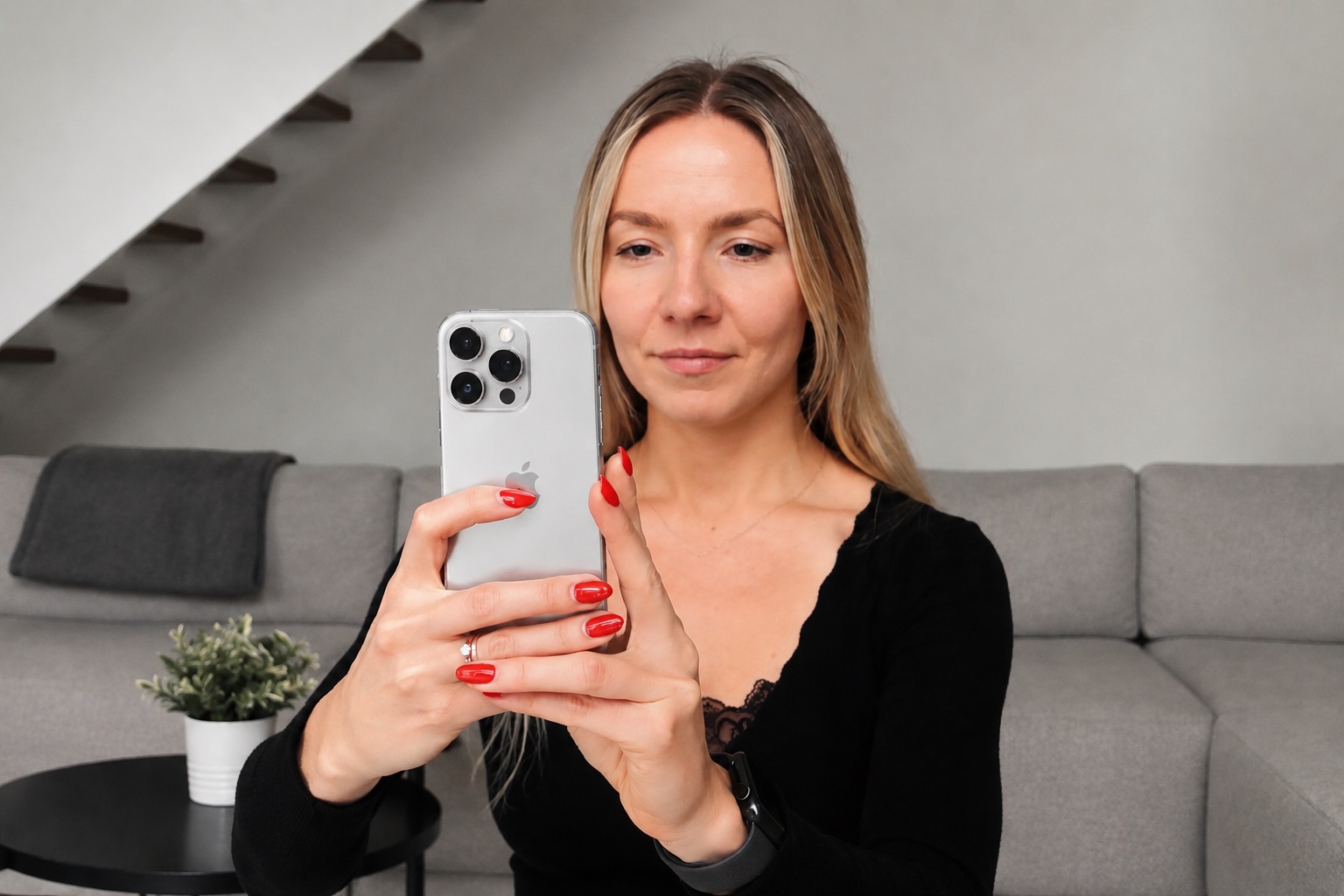
For years the conventional wisdom was that “real” street photography required a discreet rangefinder. The phone has quietly dismantled that idea. It is the camera that’s always in your pocket, which means you’re never caught without it when a moment appears. It’s silent, it’s unremarkable, and nobody reads a raised phone as a threat the way they might a large camera pointed their way. That ordinariness is a superpower: you blend into the scene rather than altering it.
Modern phone cameras also handle the technical demands of the street with ease. Fast autofocus, a wide native focal length, deep depth of field, and excellent low-light performance cover most situations without a single setting change. Tap to focus, lock the exposure with a press-and-hold, and you’ve effectively built a zone-focus, ready-to-fire street rig in two gestures. You can frame on a bright, eye-level screen, review instantly, and keep shooting.
None of this replaces the eye. The phone doesn’t see the moment for you; it just removes every excuse not to be ready when the moment comes. And in the end, that’s what street photography asks of you, not better equipment, but better attention. Walk slower. Look longer. Wait for the world to line up. The story is already out there on the street. Your only job is to be there when it appears.